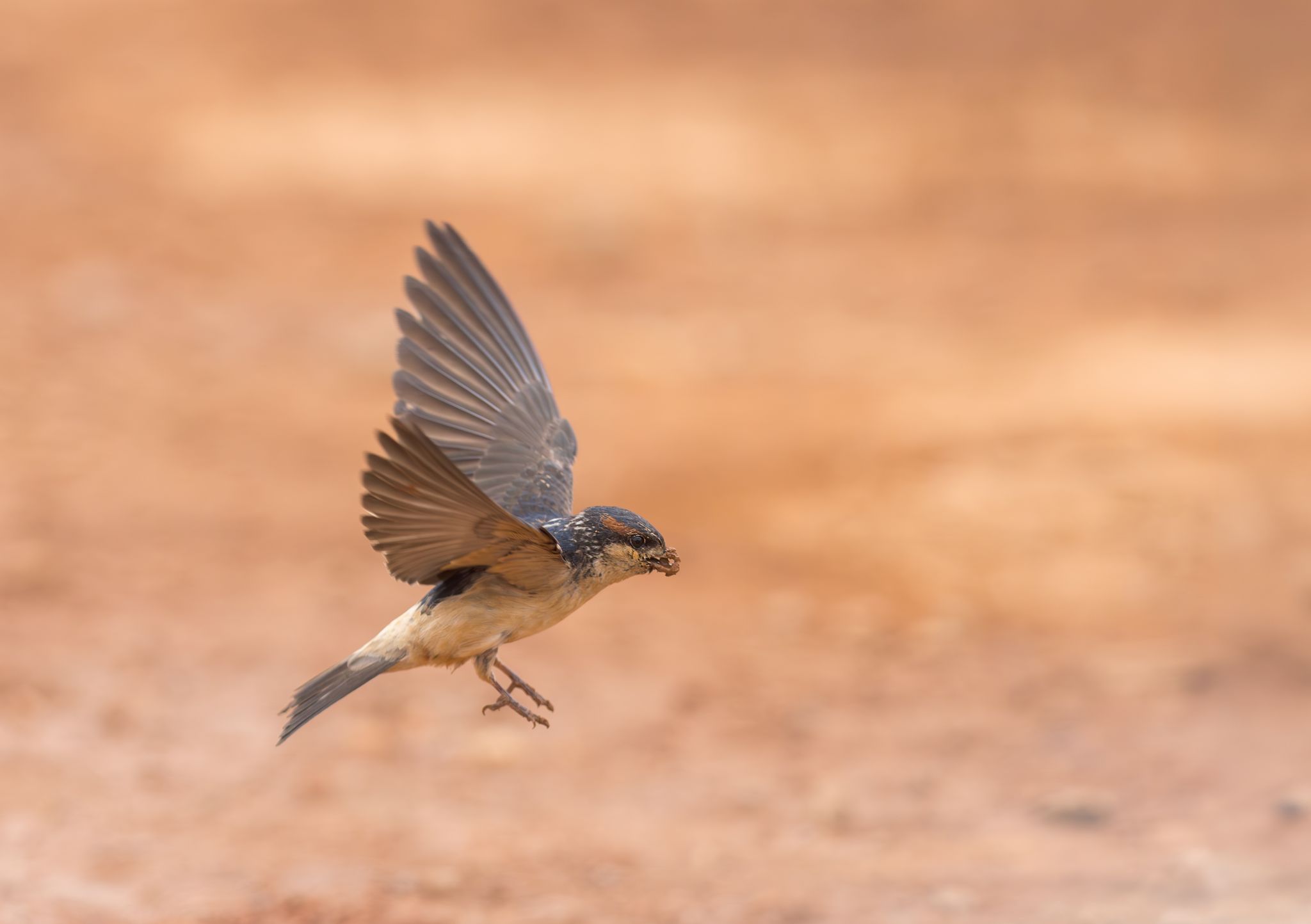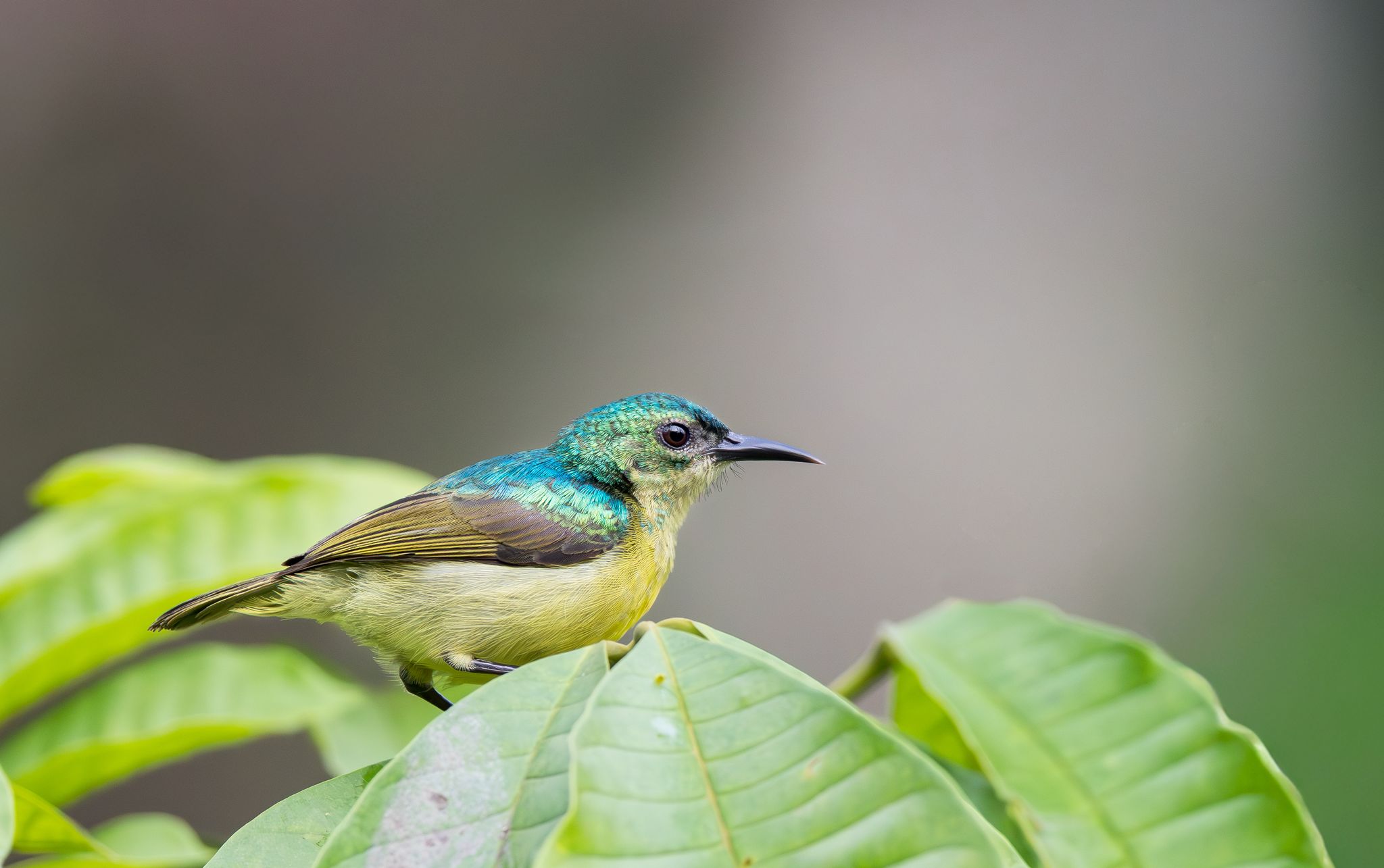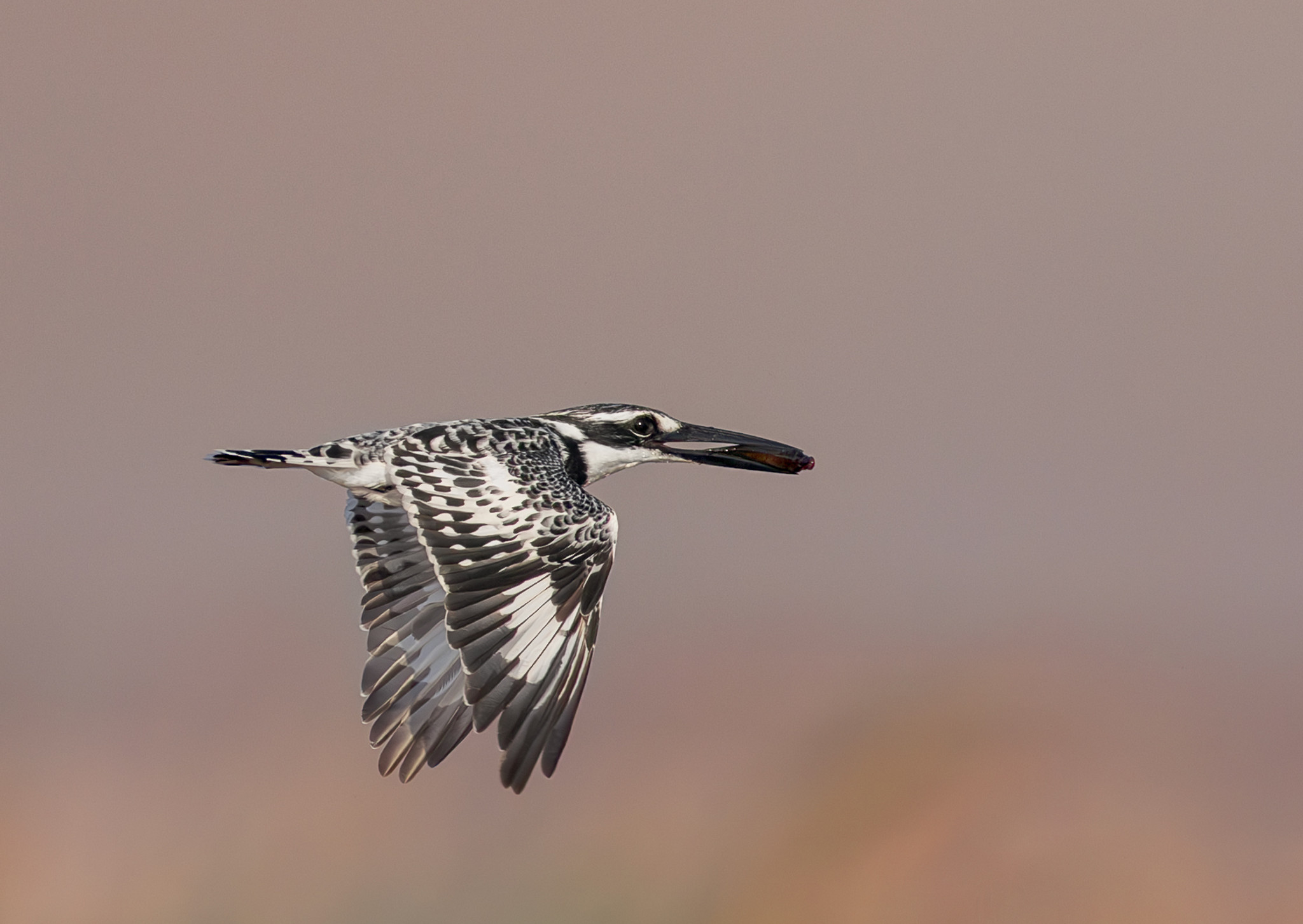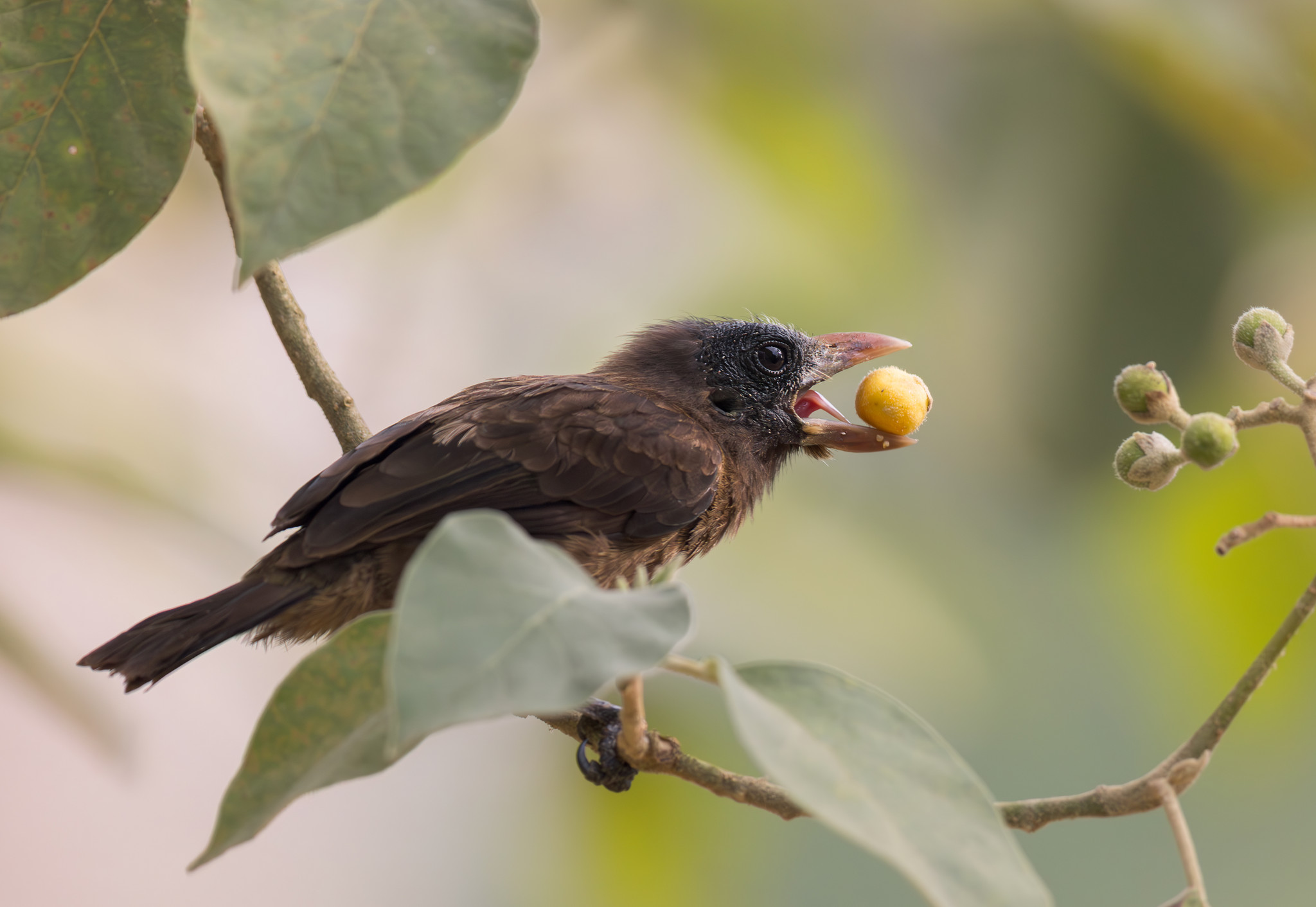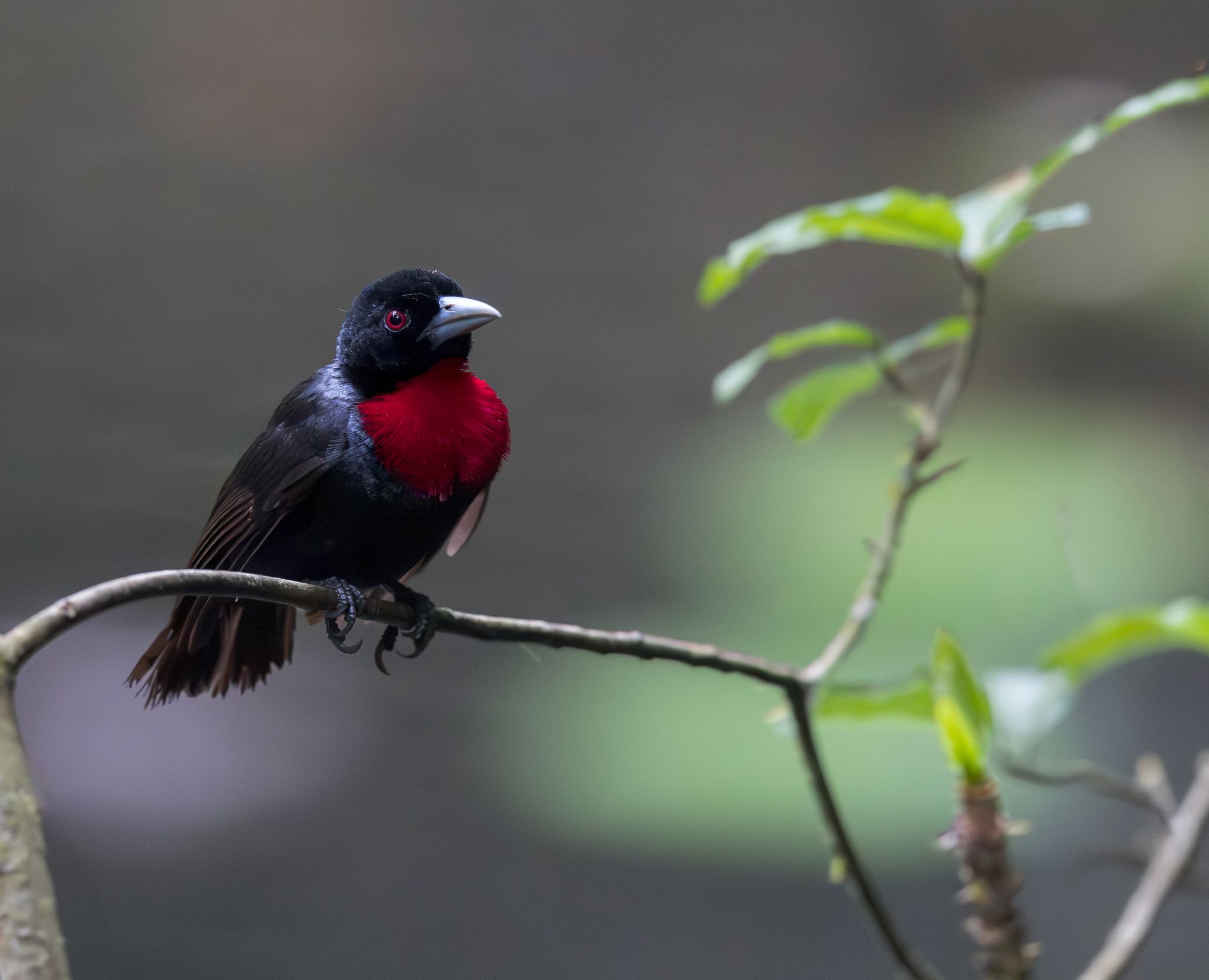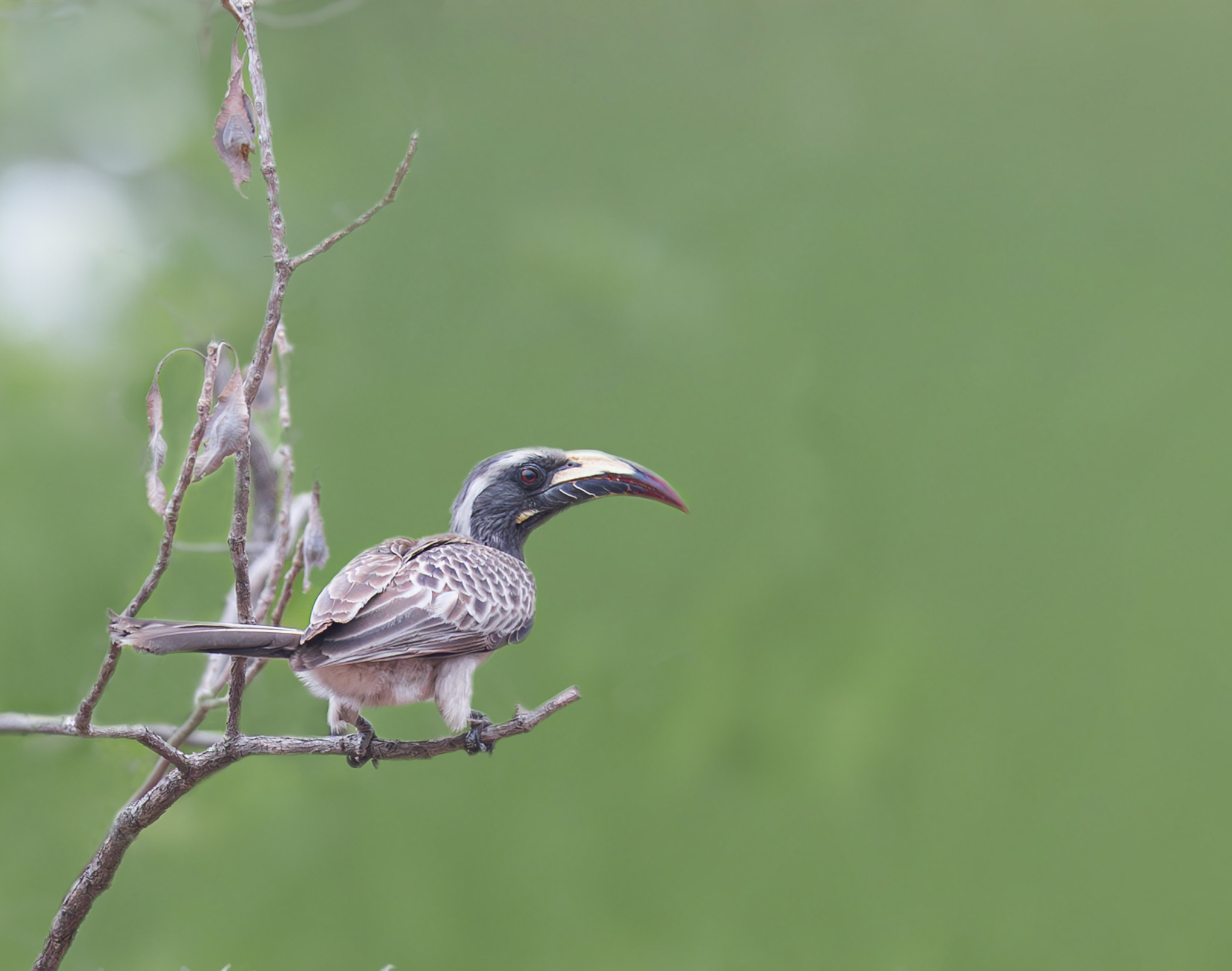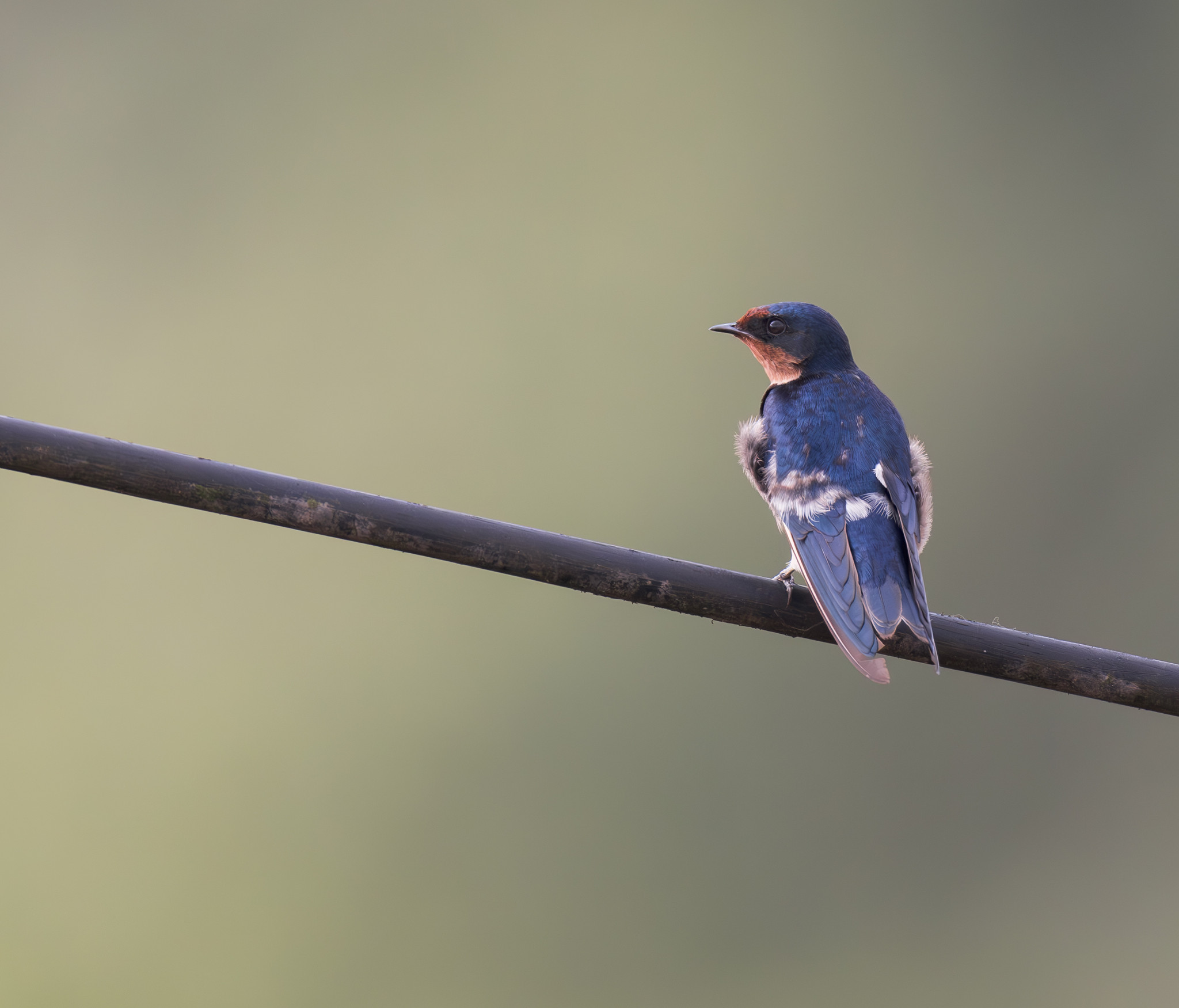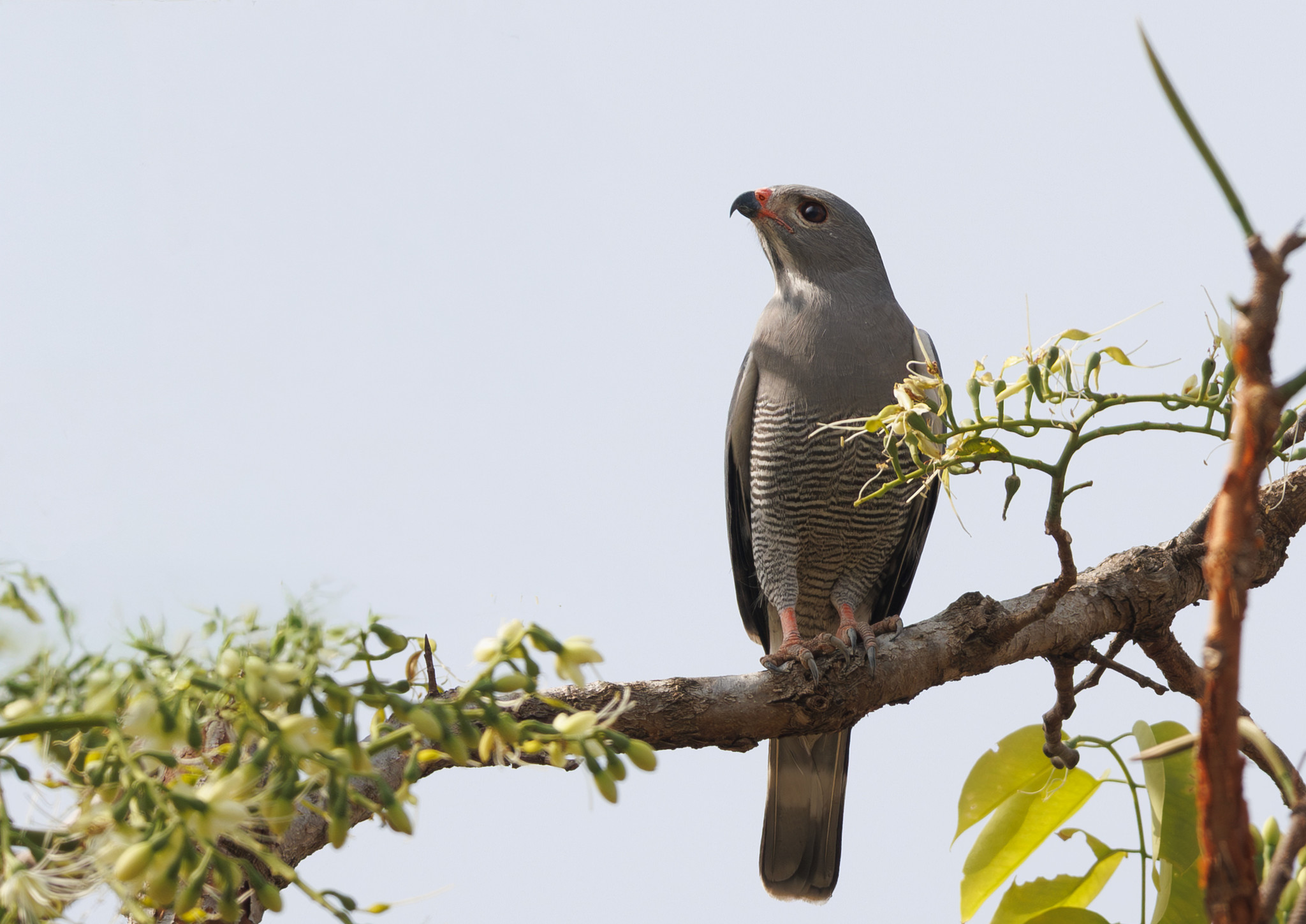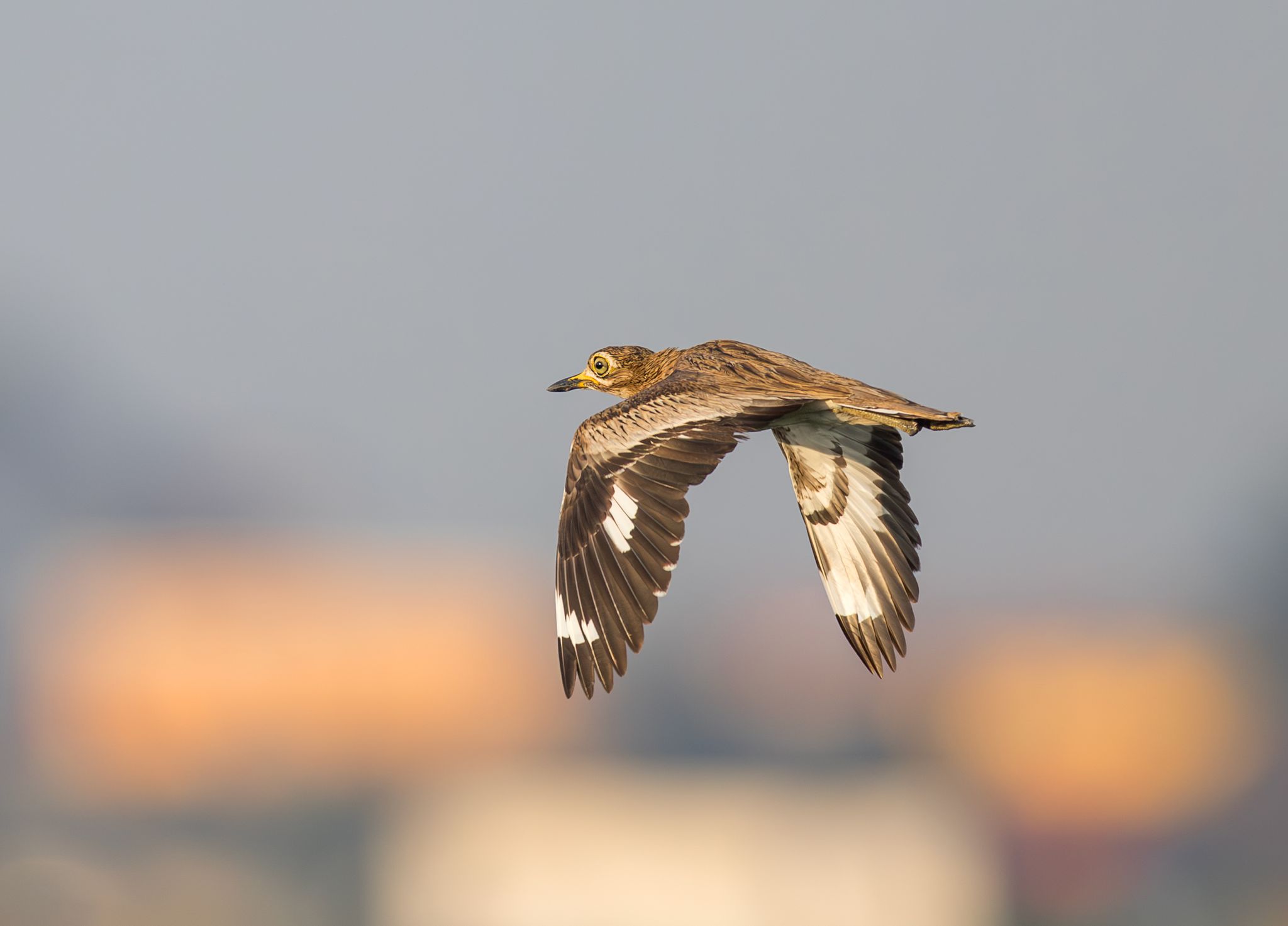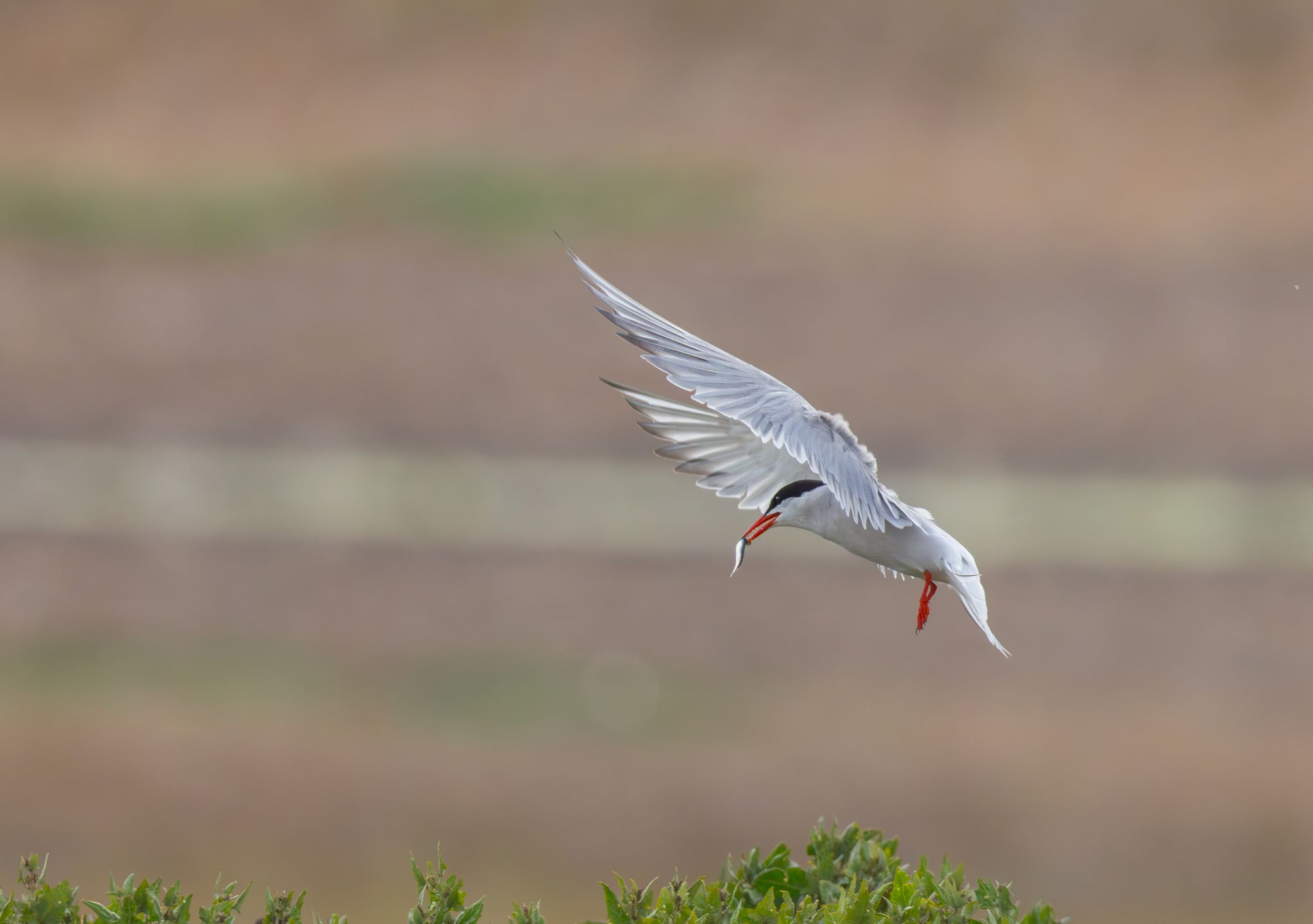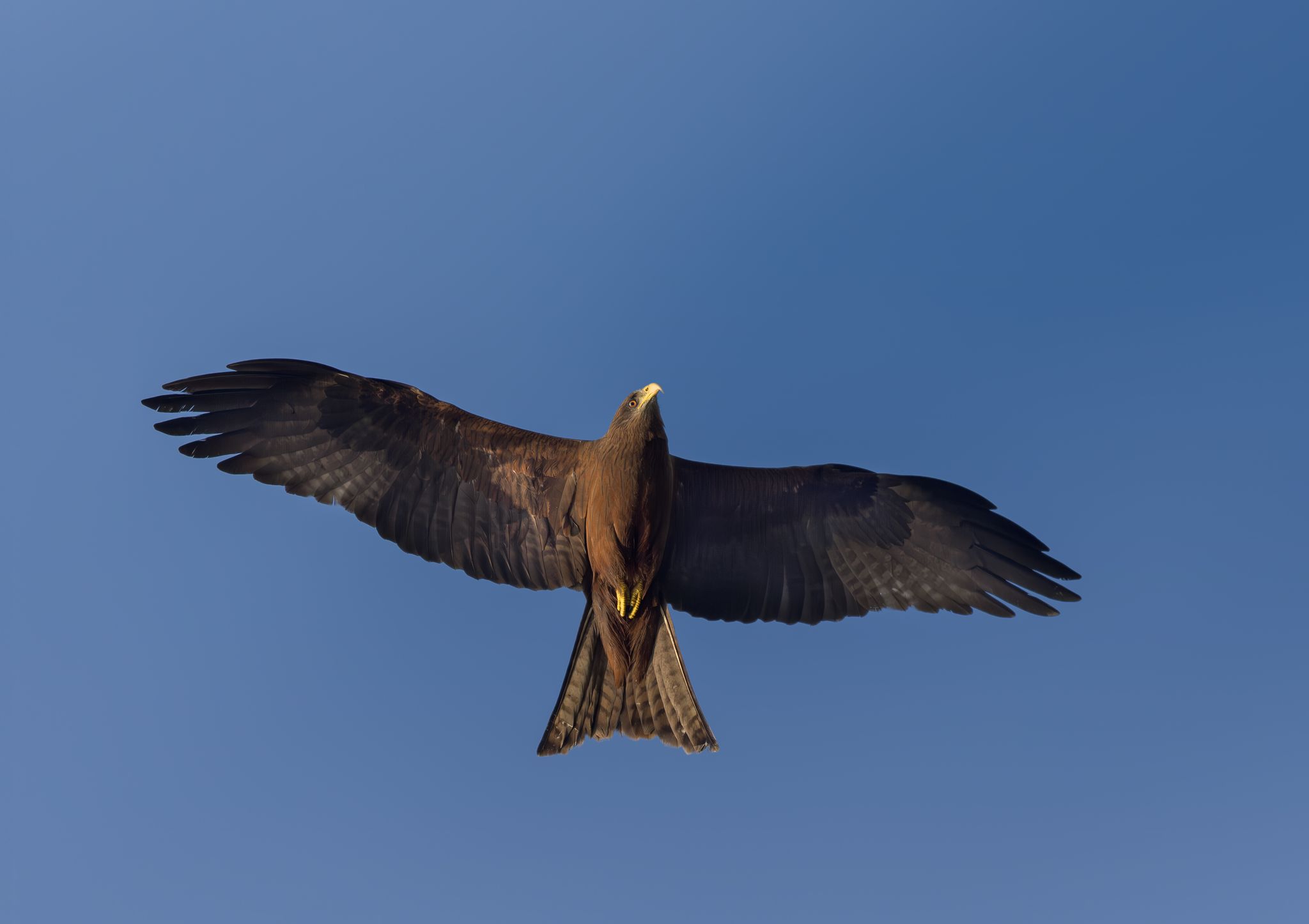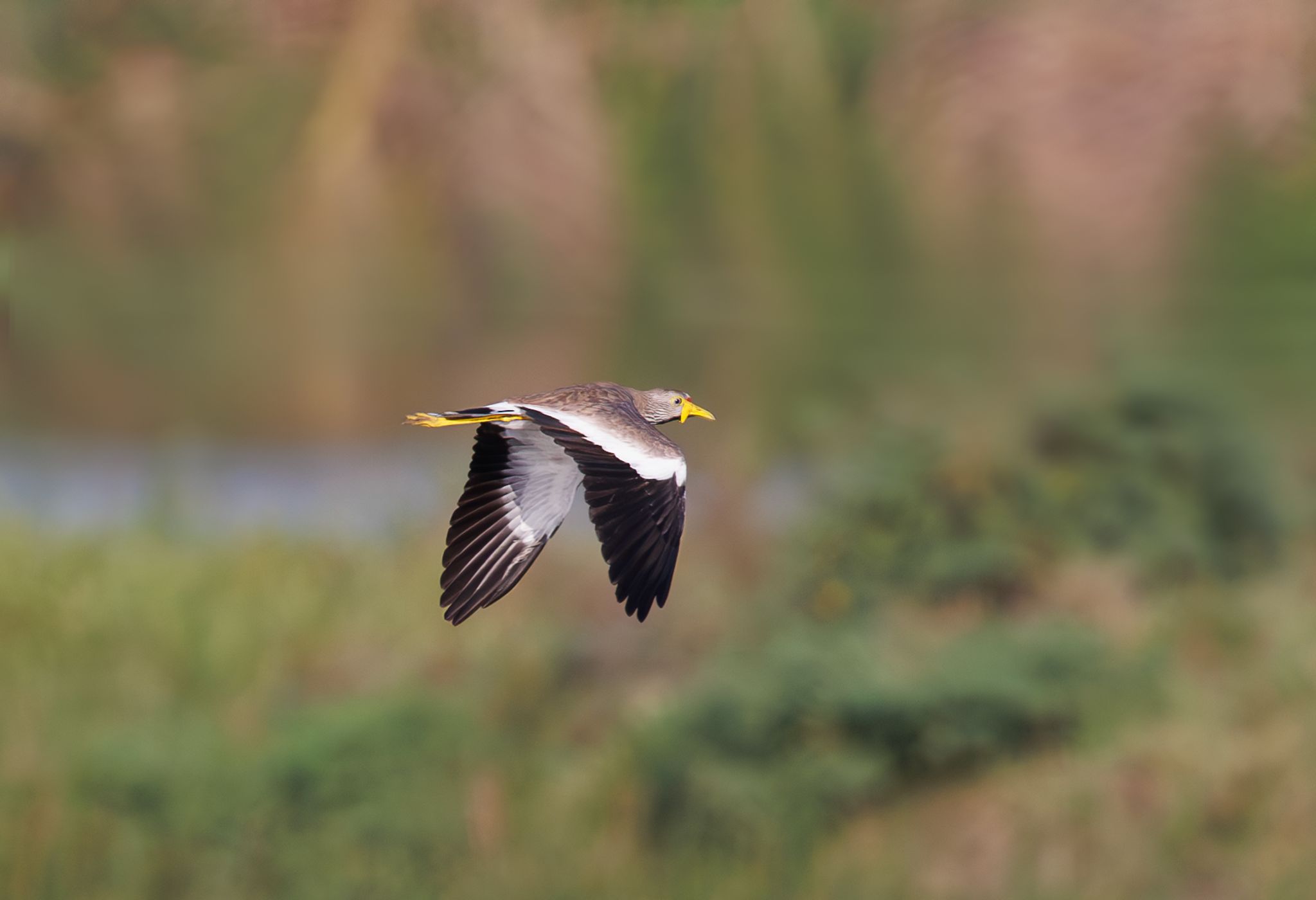
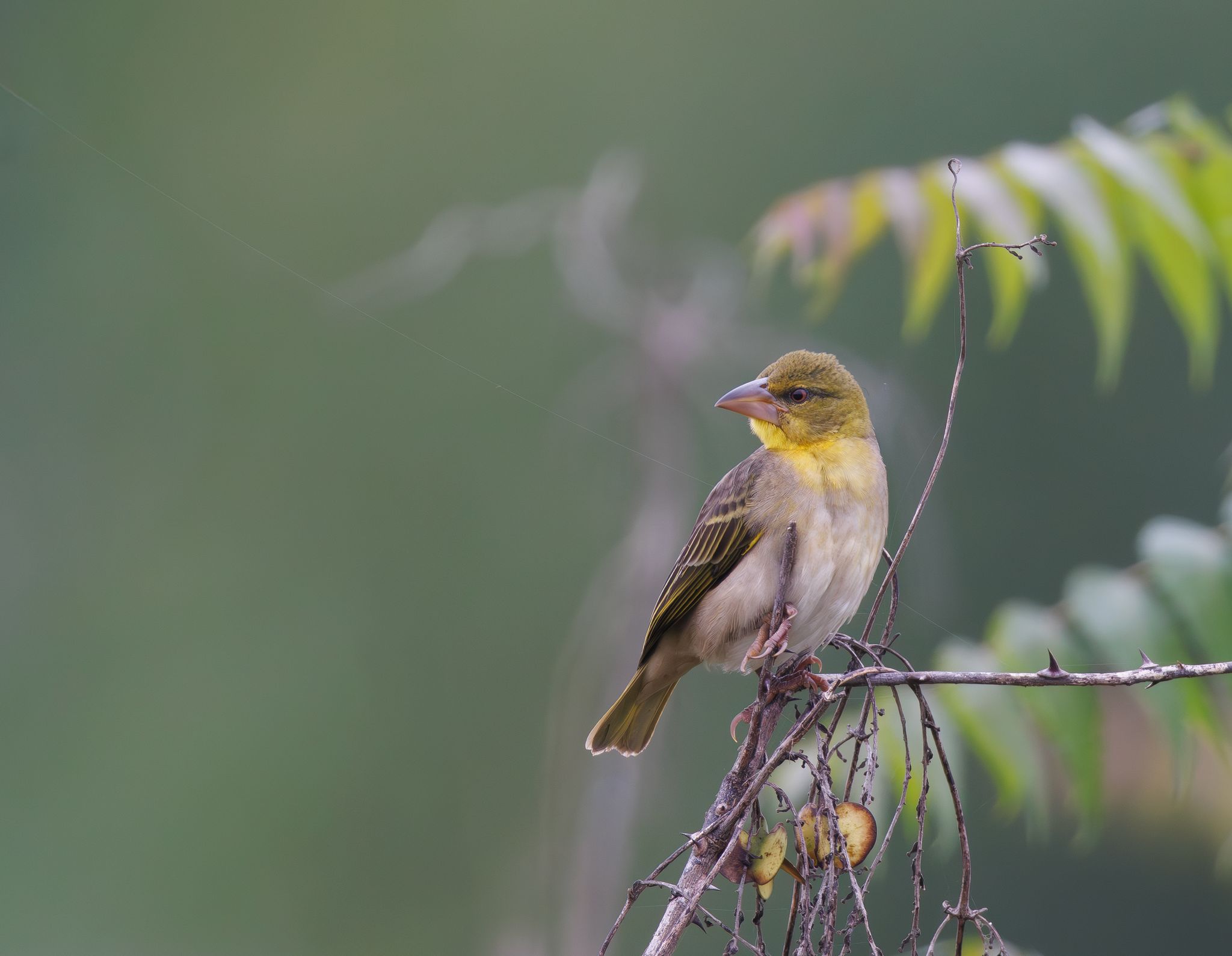
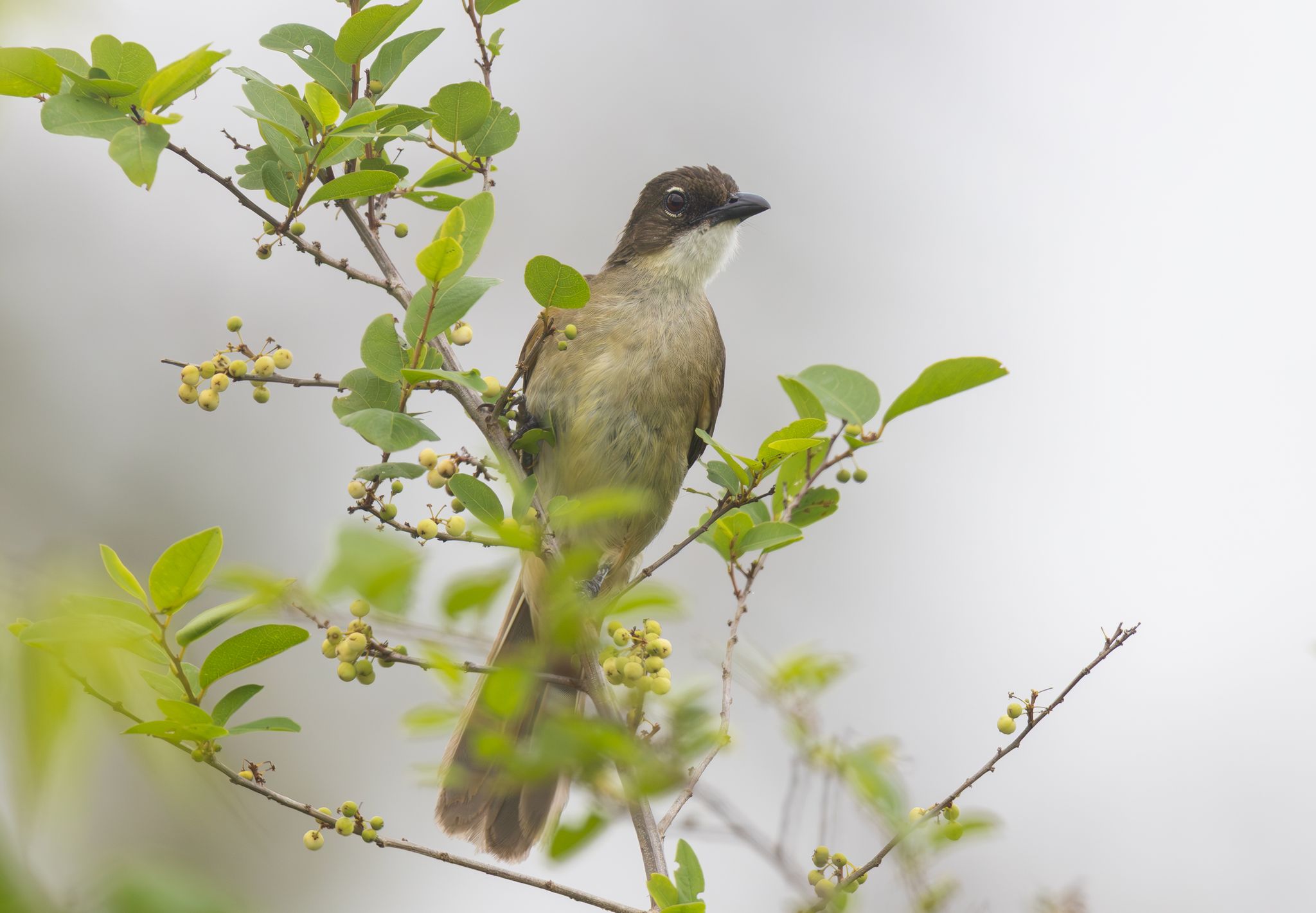
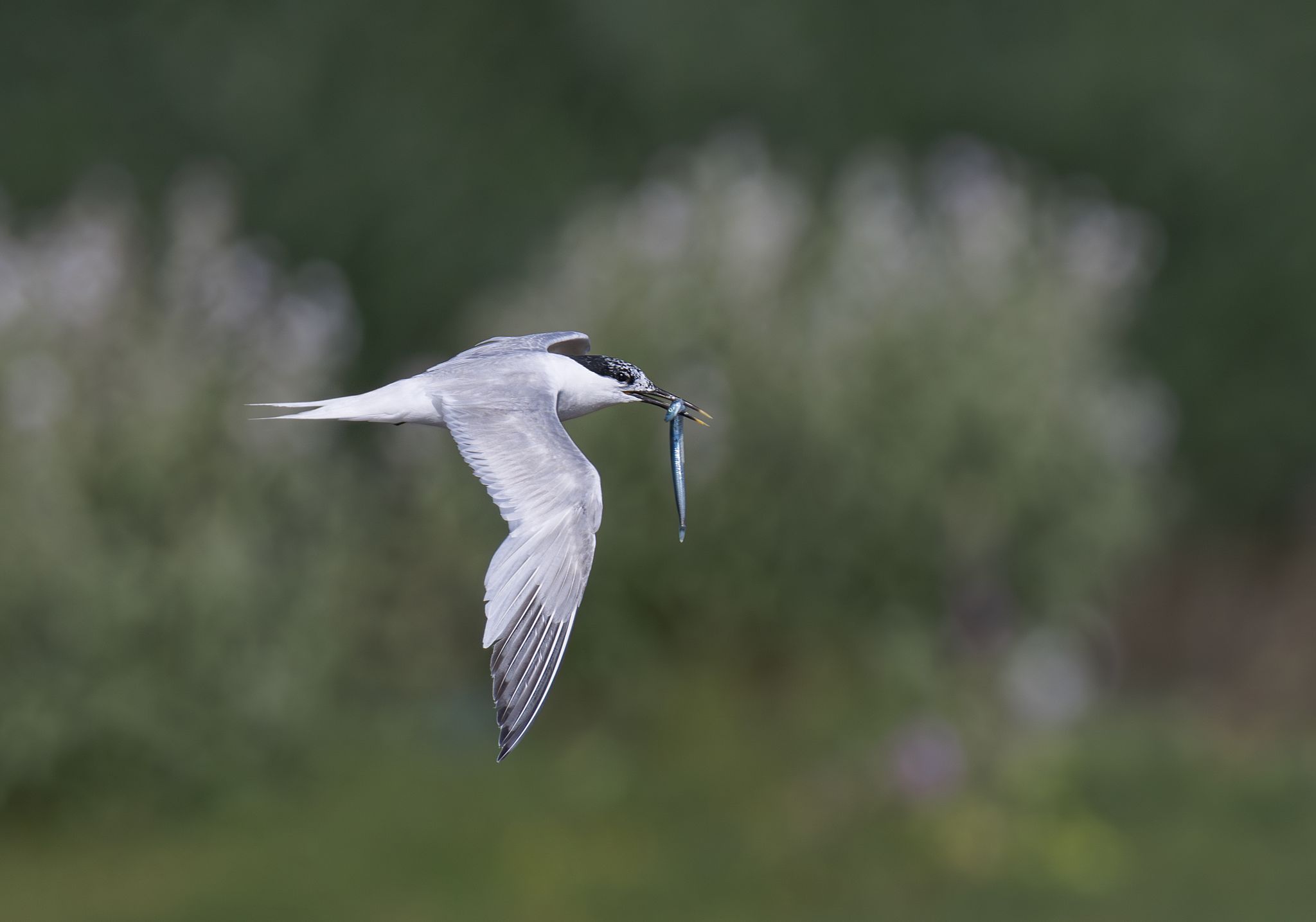
The last light of the dry season over the Ghanaian landscape, late February

Ghana · February–March 2027 · 13 Days

Before the Rains
Return.

The last golden window of the dry season. Six extraordinary birds at the edge of the year's most beautiful light.

Duration 13 days
Dates 22 Feb – 6 Mar 2027
Group size Max 6 photographers
Difficulty Moderate
Equipment Mirrorless / SLR, 400–600mm
Enquire About This Tour

Late February in Ghana is the dry season's final act. The light is at its most extraordinary. The rivers are at their lowest. And everything — birds, animals, photographers — knows the window is closing.

This is the most urgent and rewarding window of the entire year. The Egyptian Plover commands wide sandbars that will be gone in a month. The Rock Pratincole performs on fully exposed mid-river boulders. The Bateleur hunts relentlessly before the rains soften the savanna. Thirteen days in forest, river, and open country — chasing six species at the precise moment the season is at its peak.

Small group, maximum six photographers. Every site is chosen for its photographic potential, not just its bird list.

The Key Species

Six birds at the precise moment the dry season is at its most rewarding for the photographer.

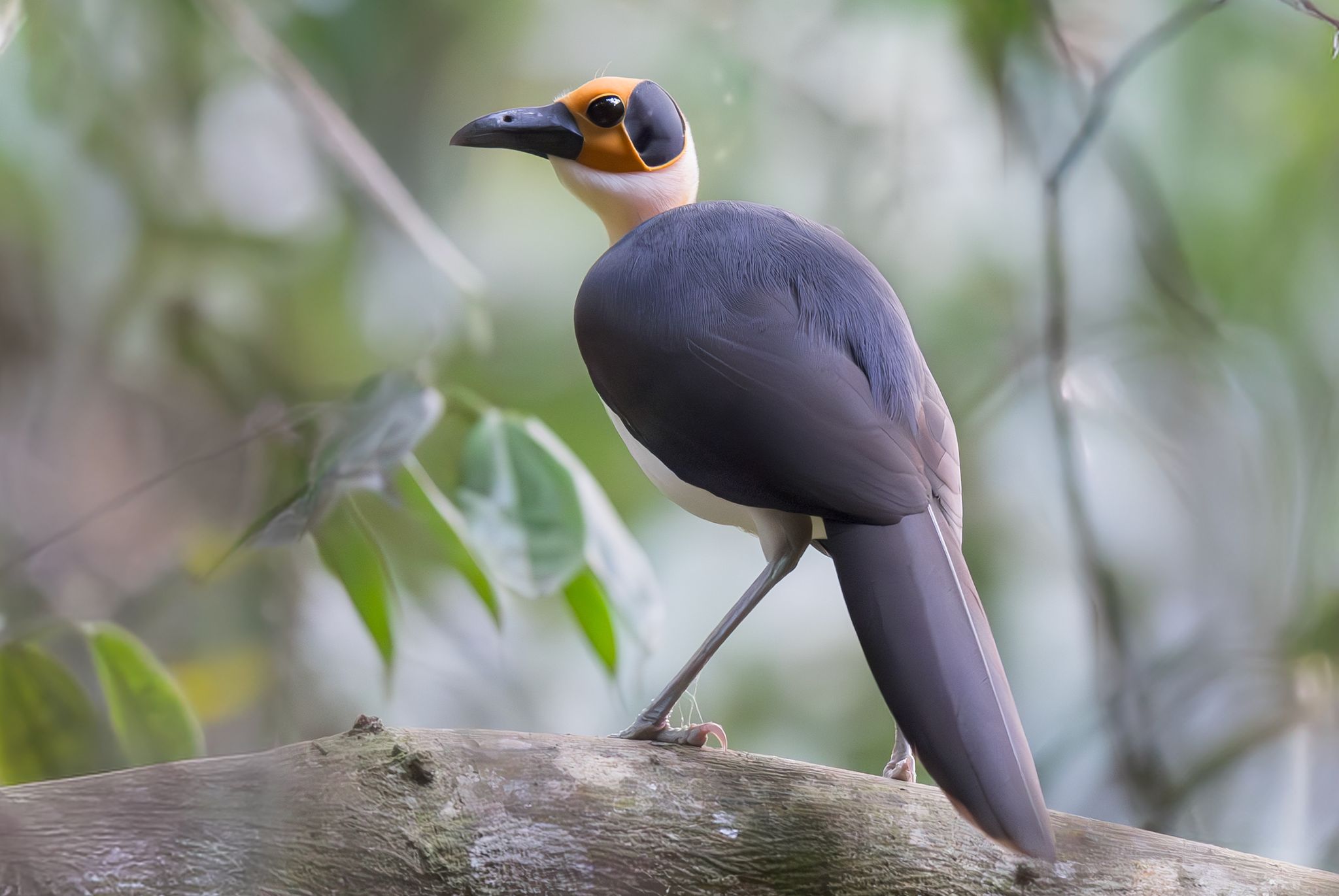
White-necked Rockfowl

Picathartes gymnocephalus

White-necked Rockfowl

One of Africa's most sought-after birds. Found only in ancient rainforest colonies across West Africa, this extraordinary species nests on sheer rock faces in the forest interior. We access a known colony site at dawn — the light, the silence, the birds dropping in from the canopy above.
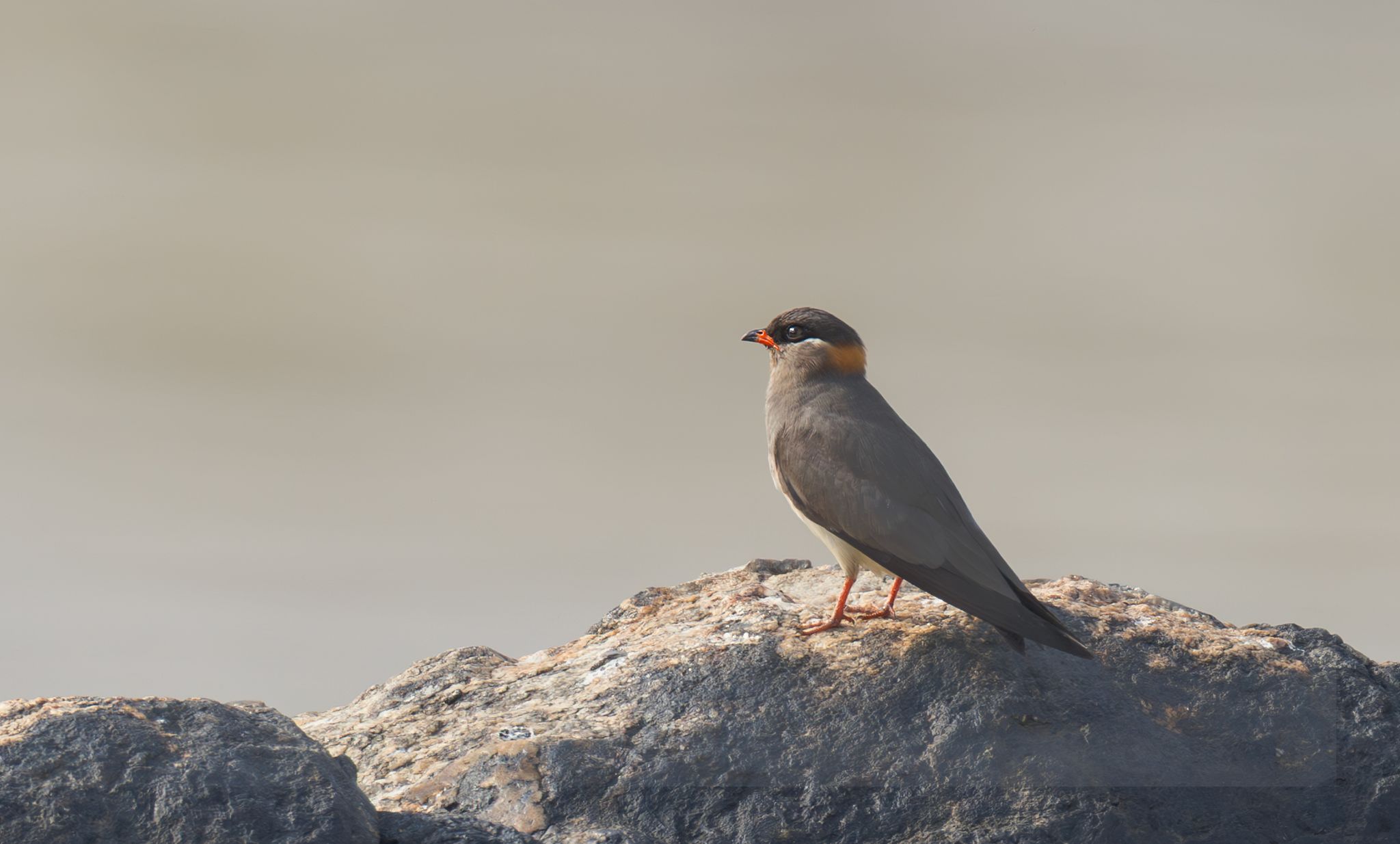
Rock Pratincole

Glareola nuchalis

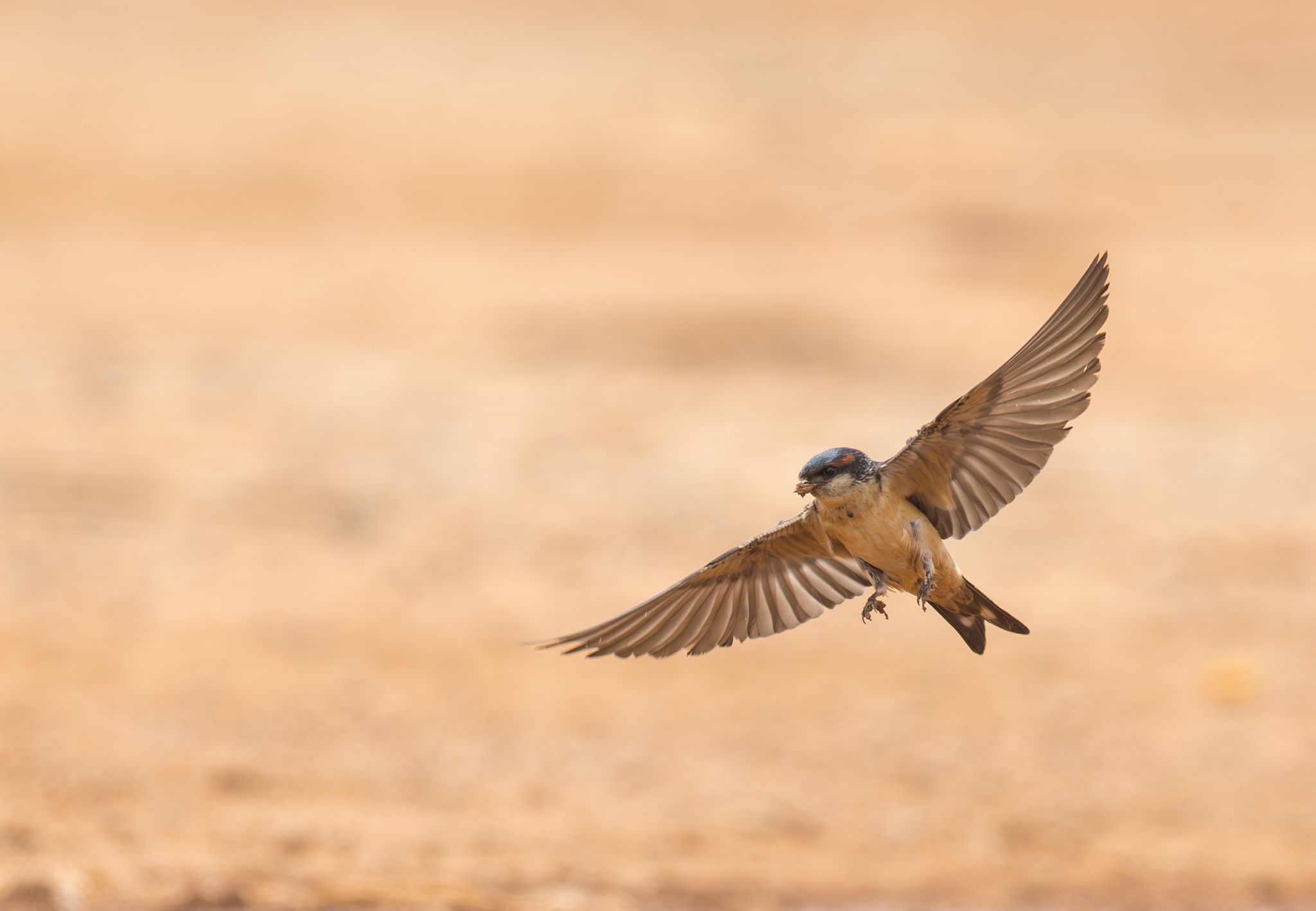
Rock Pratincole

Late February is the Rock Pratincole's final great performance before the rains raise the rivers. The nesting rocks are at maximum exposure, the birds in full display. There is an urgency to the scene at this time of year that the camera catches immediately.

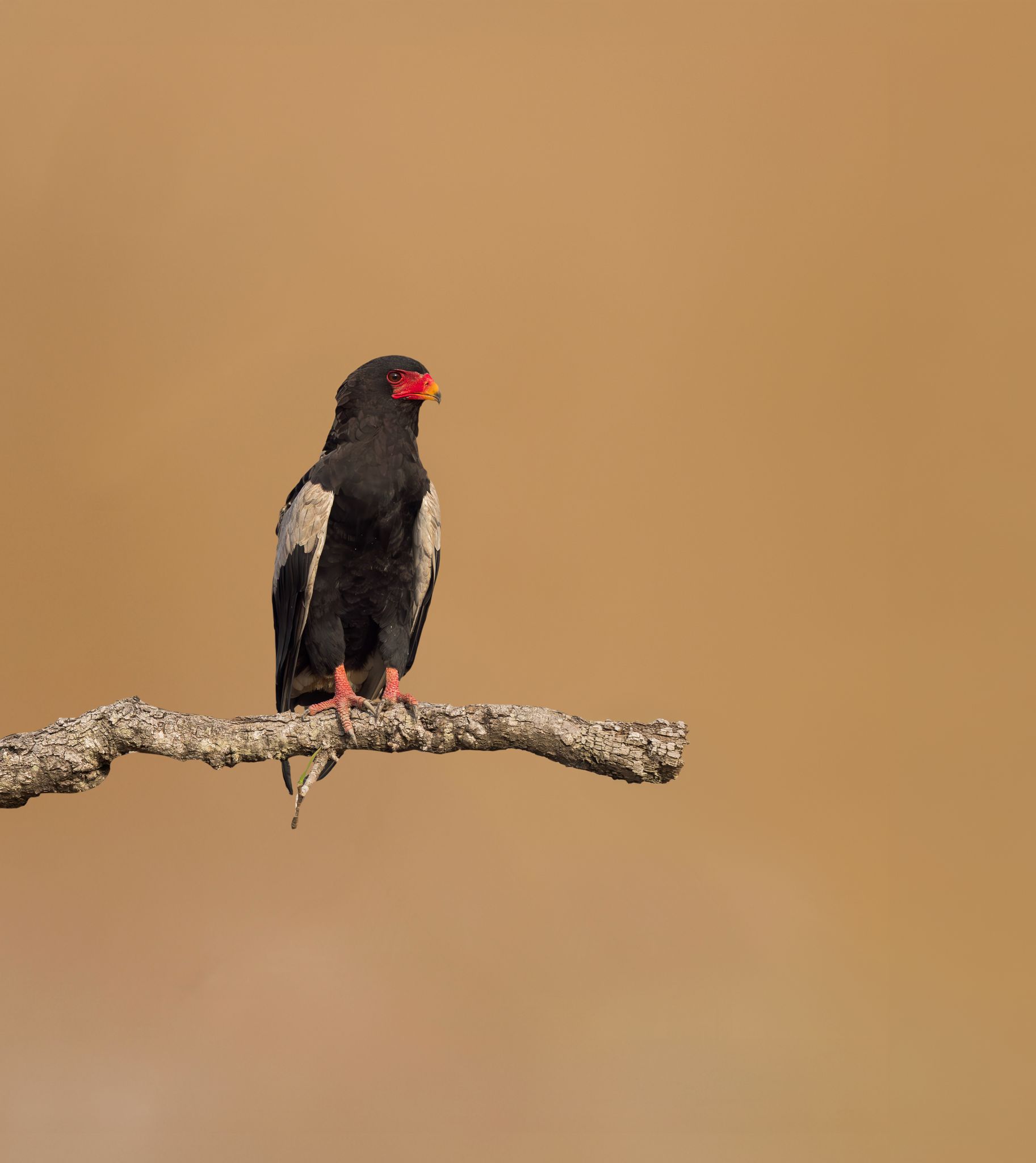
Bateleur

Terathopius ecaudatus

Bateleur

As the dry season draws to a close the Bateleur is at its most active — hunting open savanna and woodland edges relentlessly before the rains change the landscape. Against the vast late-season sky of northern Ghana, it is among the most dramatic birds in Africa to photograph.

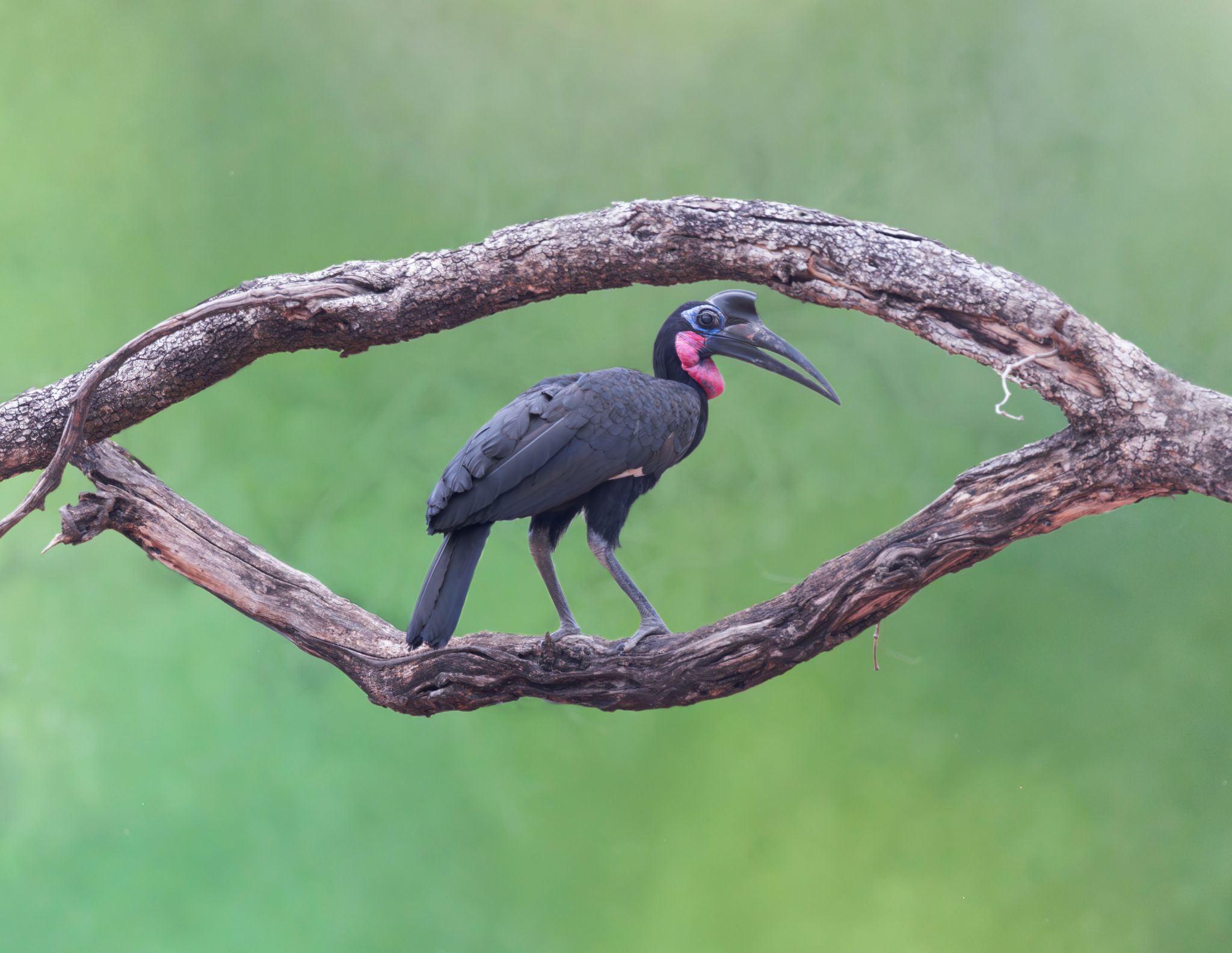
Abyssinian Ground Hornbill

Bucorvus abyssinicus

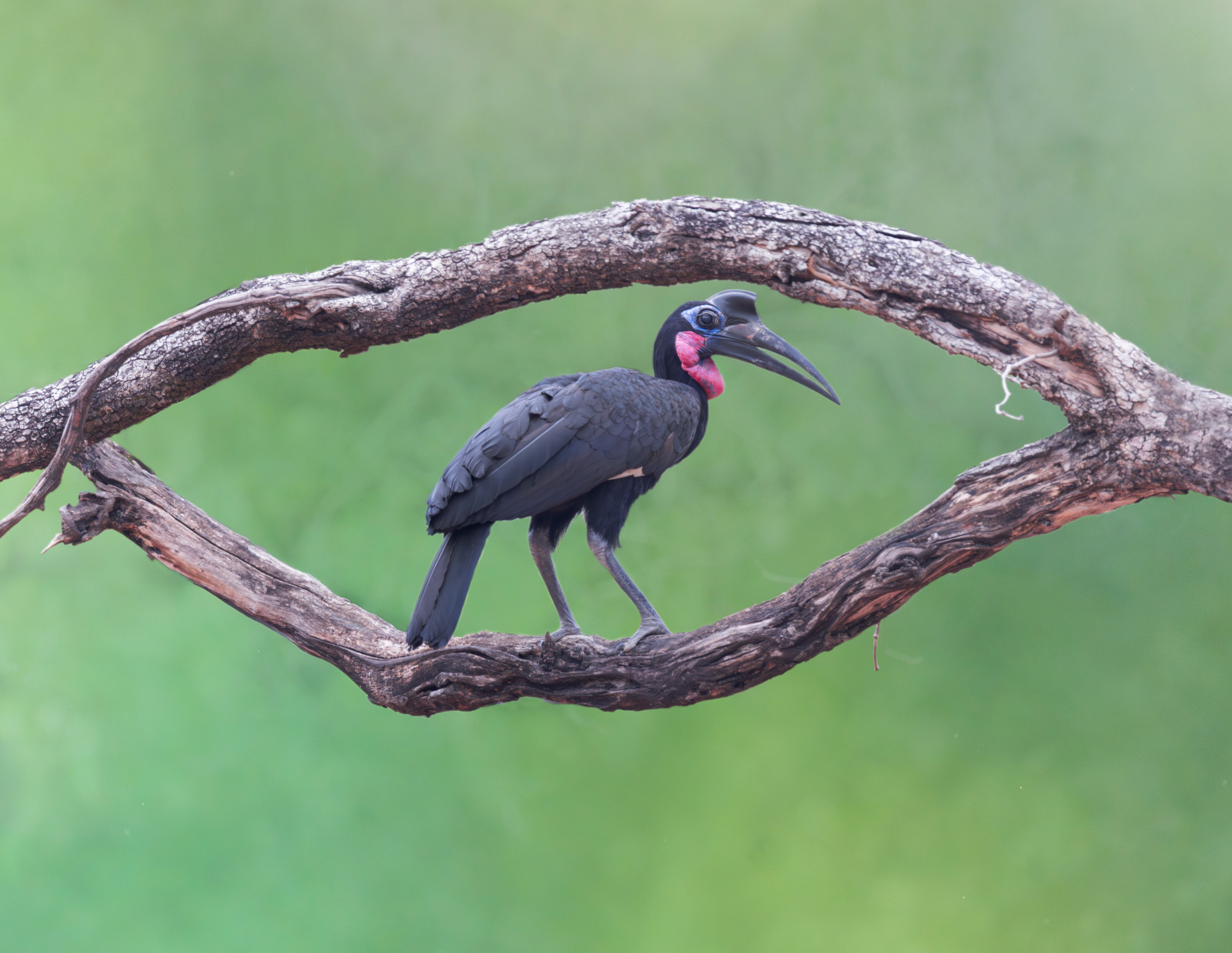
Abyssinian Ground Hornbill

The Ground Hornbill at the end of the dry season is drawn toward the last reliable water sources. That slow, deliberate stride through parched savanna, that resonant dawn boom across an open landscape. It carries itself with an authority that the camera loves, and the late dry season light makes the most of its extraordinary face.

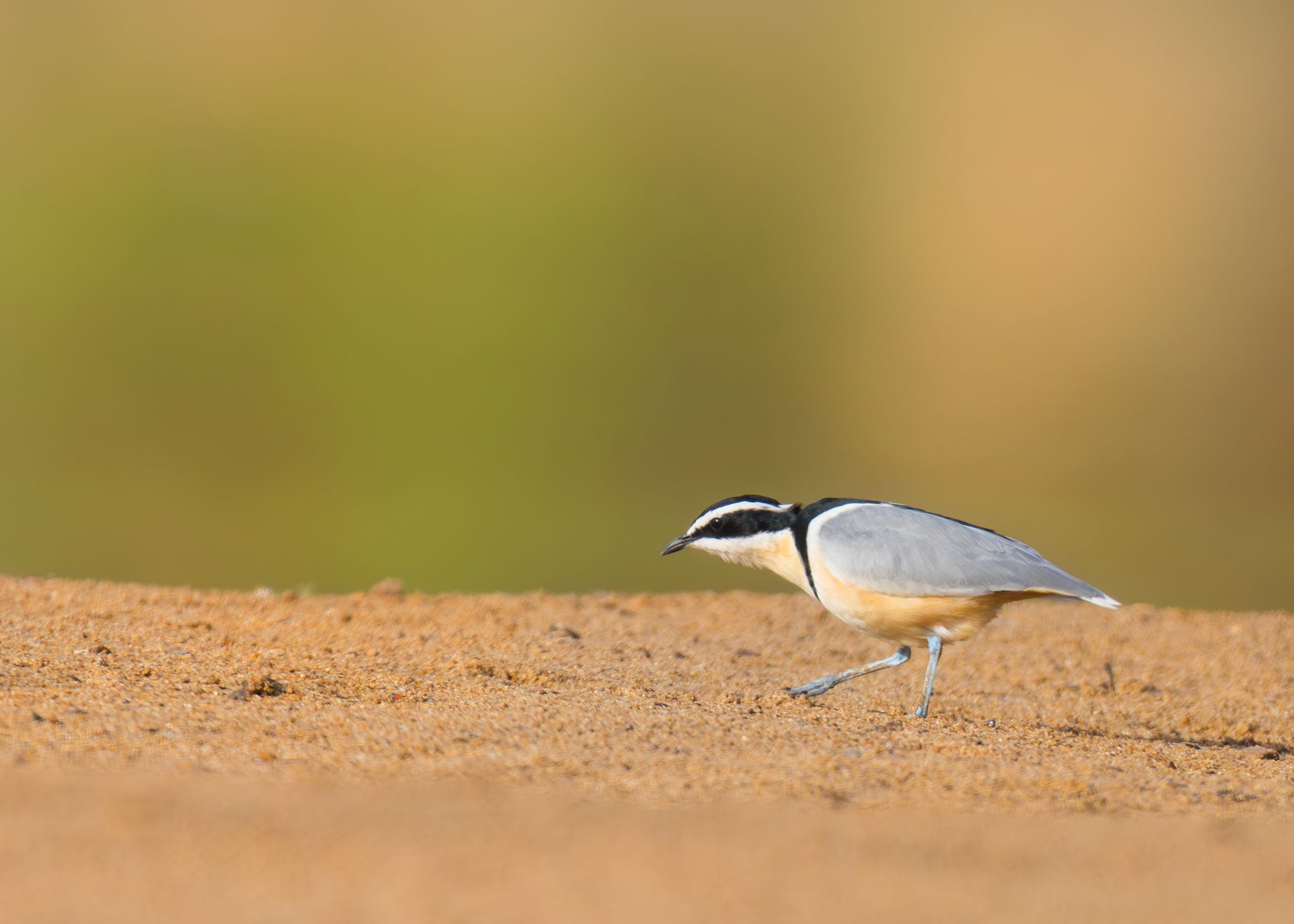
Egyptian Plover

Pluvianus aegyptius

Egyptian Plover

The last weeks of the dry season are the Egyptian Plover's finest hour. The sandbars are at their widest, the birds at their most concentrated, and the low morning light across open water turns every frame into something worth keeping. This is the final window before the rains reclaim the river margins.

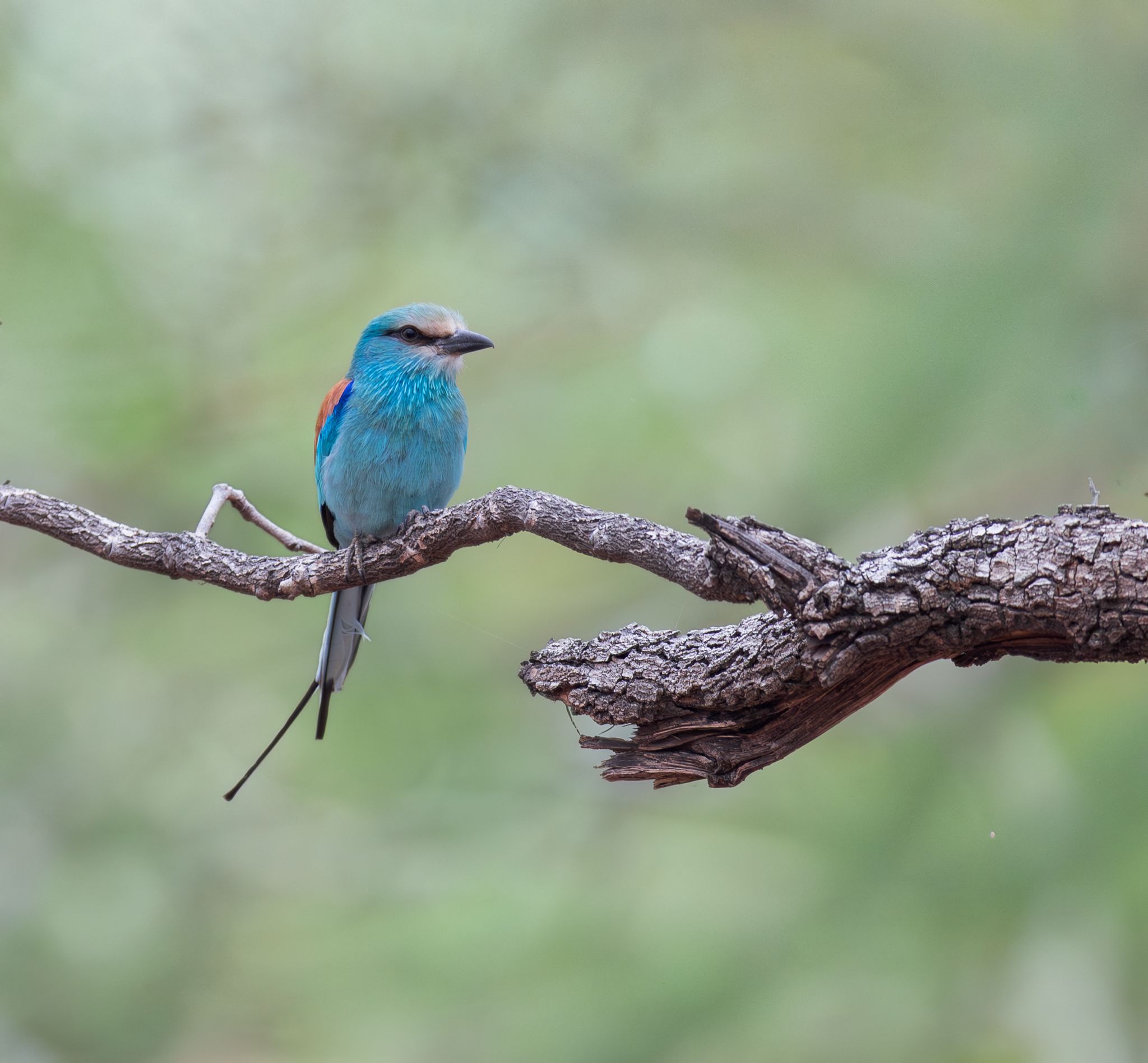
Lilac-breasted Roller

Coracias caudatus

Lilac-breasted Roller

Present all year, and never disappointing. In the last dry season light the Roller's colours carry particular intensity — that combination of turquoise, lilac, chestnut, and cobalt against a warm late-season sky. It sits in full view and asks nothing of you except to be ready.

Day by Day

Every day is built around the light. We are in position before it arrives and we leave after it fades.

Days 1–2

Arrival & Accra

You arrive into the tail end of the harmattan — the last of the dry season dust still in the air, the light warm and diffused. There is a particular quality to late February in Ghana: a sense of the season at its limit, urgent and beautiful. We settle in, brief over dinner, and head out early tomorrow.

Arrival & Accra
Days 2–3

Winneba Lagoon & Winneba Plains

The lagoon in late February holds the final waders of the dry season. The light here at this time of year is extraordinary — the harmattan thinning but still present, the evenings enormous and amber. We work the mudflats and the lagoon margins, the air carrying the first faint promise of change.

Winneba Lagoon & Winneba Plains
Days 4–5

Kakum National Park

The forest in the last weeks of the dry season has a particular quality — drier, more open than the wet season, the birds easier to locate in the thinned upper storey. Kakum's canopy walkway remains one of the finest vantage points in West African birding. We spend two days here: unhurried, attentive, making the most of the last dry-season forest light.

Kakum National Park
Days 6–7

Nyamebe Bepo Reserve / Pra River - Rock Pratincole & Picathartes

The Pra River is at its lowest now — the nesting rocks wide open, the Pratincoles performing their best aerial displays of the season. Then into Nyamebe Bepo for the Picathartes colony. In the late dry season the forest floor is almost silent, which makes the arrival of the White-necked Rockfowl from the canopy above feel all the more extraordinary.

Nyamebe Bepo Reserve / Pra River - Rock Pratincole & Picathartes
Day 8

The Road North

The drive north in late February feels different from earlier in the dry season — the landscape drier, the trees more skeletal, the light flatter and more dramatic in equal measure. We stop where it is worth stopping. By evening we are in Mole, where the animals are beginning to feel the urgency of the season's end.

The Road North
Days 9–10

Mole National Park - Bateleur

At the end of the dry season, Mole concentrates its wildlife with particular intensity. Waterholes are at their smallest, and everything moves toward them. The Bateleur is most active in these last dry weeks, hunting relentlessly before the rains change everything. Against the enormous late-season sky, it is at its most dramatic.

Mole National Park - Bateleur
Days 11–12

White Volta - Egyptian Plover

This is the final window for the Egyptian Plover before the rains begin to reclaim the sandbars. The birds are concentrated, the light low and raking in the early morning, and there is an urgency to the scene that makes every frame feel earned. Two days at the river's edge, making the most of the last dry season light in West Africa.

White Volta - Egyptian Plover
Day 13

Departure

A final breakfast, last images reviewed over coffee, and then Accra for your homeward flight. You leave at the precise moment the season is about to turn — carrying with you the light of the last dry days, and the photographs that prove you were there for it.

Departure

From the Field

Images made in the habitats you will visit.

What's Included

Included

  • All accommodation (12 nights, twin-share)
  • All meals from Day 1 dinner to Day 13 breakfast
  • All in-country transport
  • All park and reserve entry fees
  • Hide access at Picathartes colony
  • Daily field debrief and image review sessions

Not Included

  • International flights to/from Accra
  • Travel insurance (required)
  • Visa fees (varies by nationality)
  • Alcohol and personal items
  • Gratuities for local staff

Ghana · February–March 2027

Places are limited to six photographers.

We fill on a first-come basis. If you are seriously considering this tour, the conversation is worth starting now.

Enquire Now