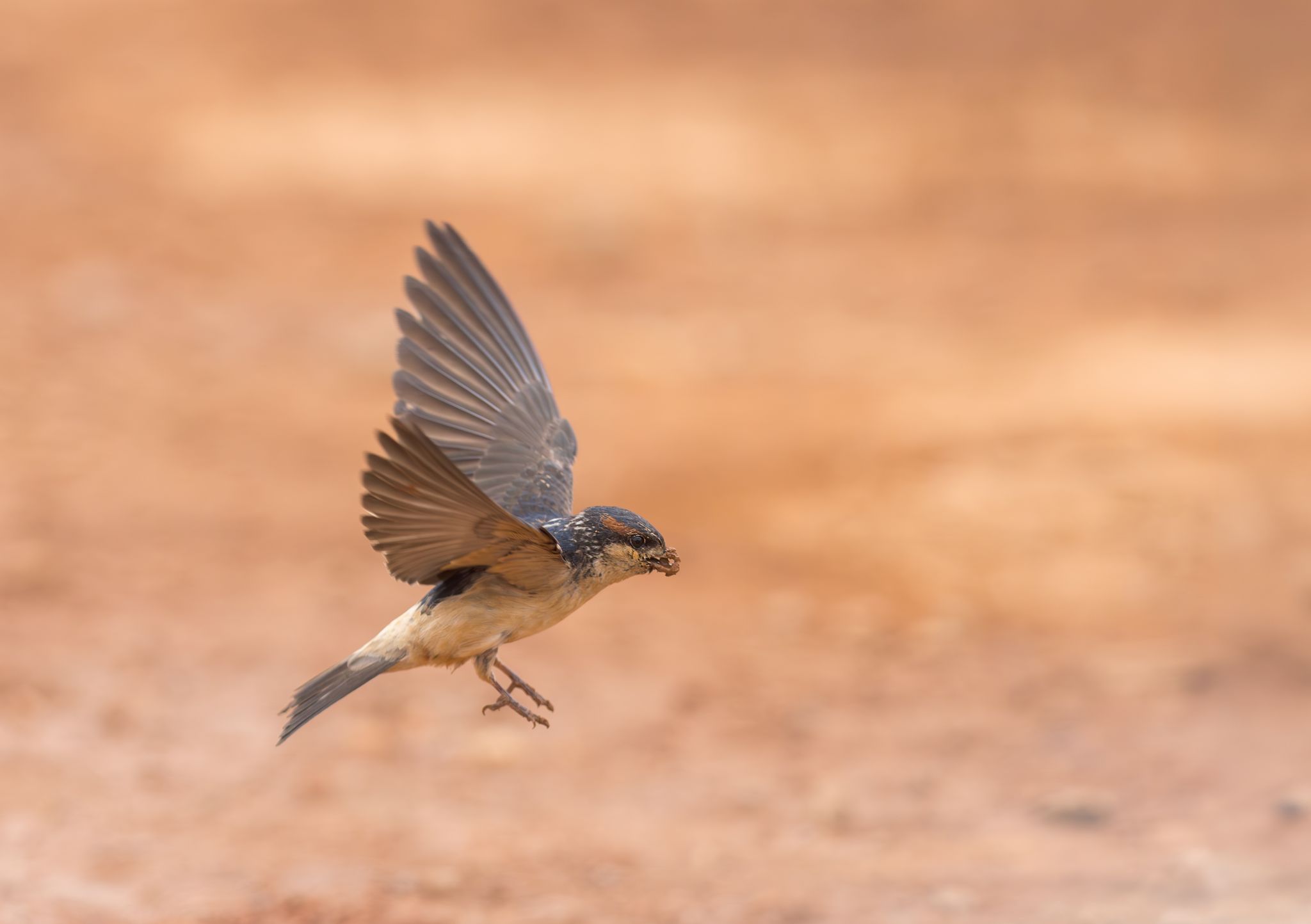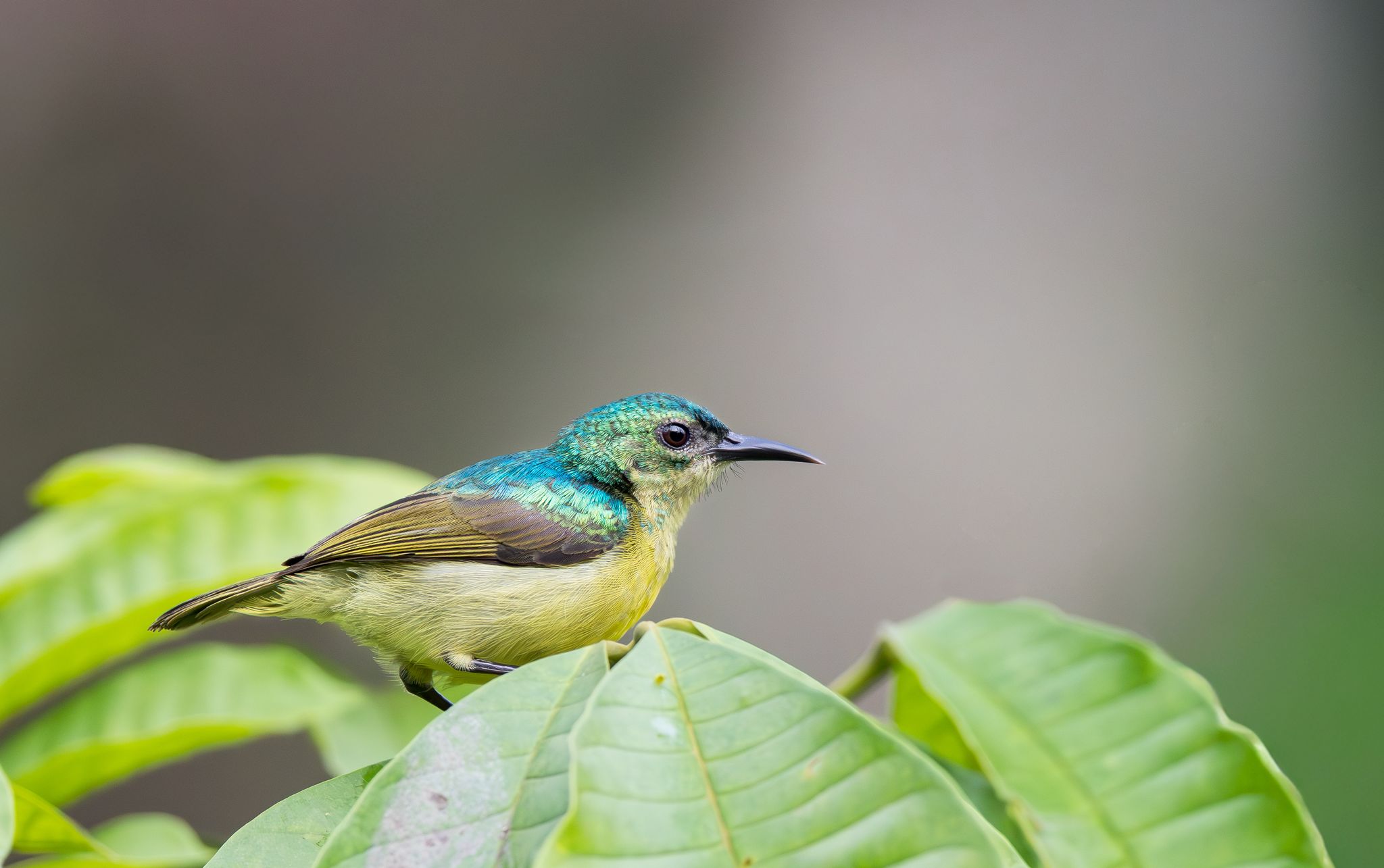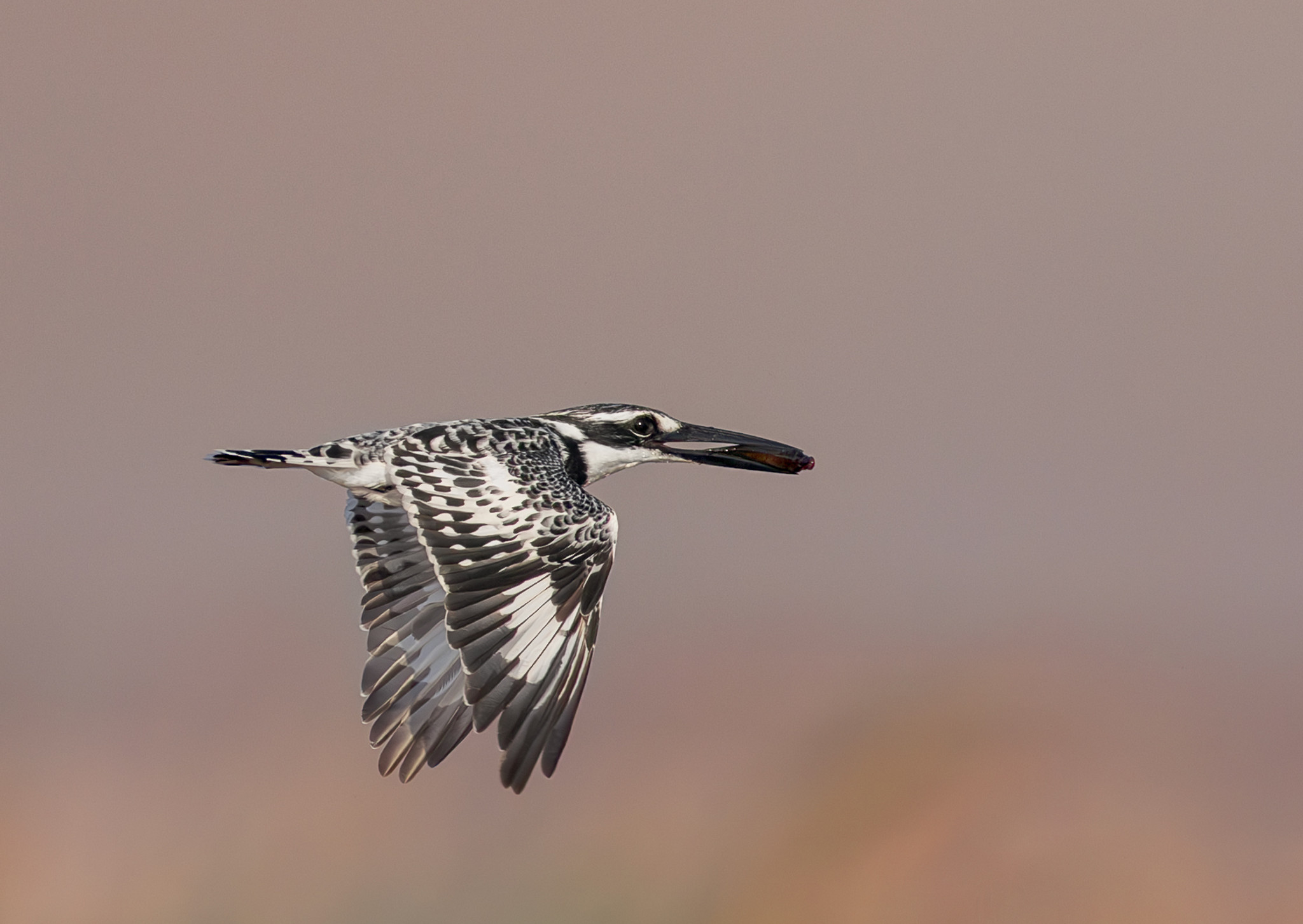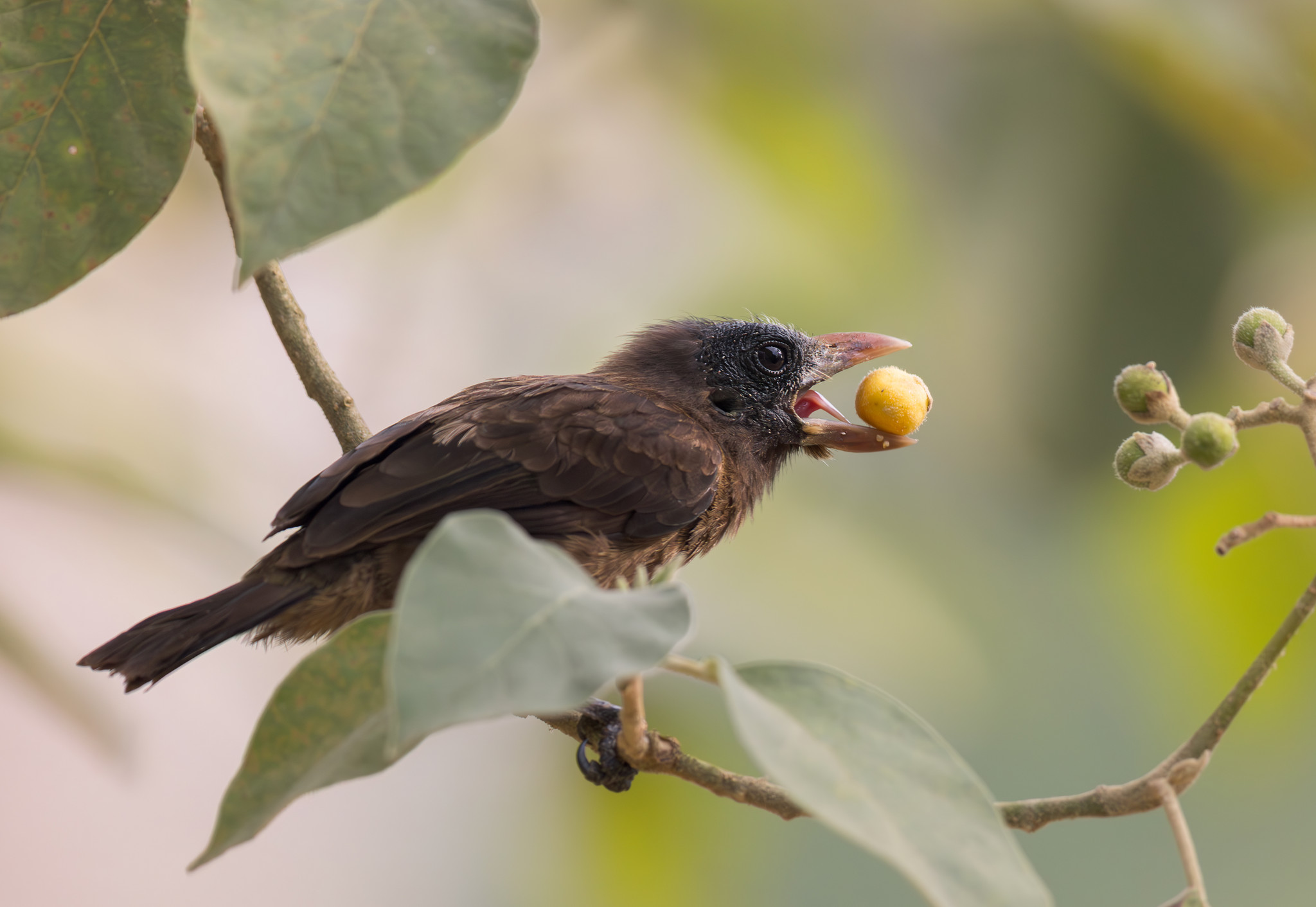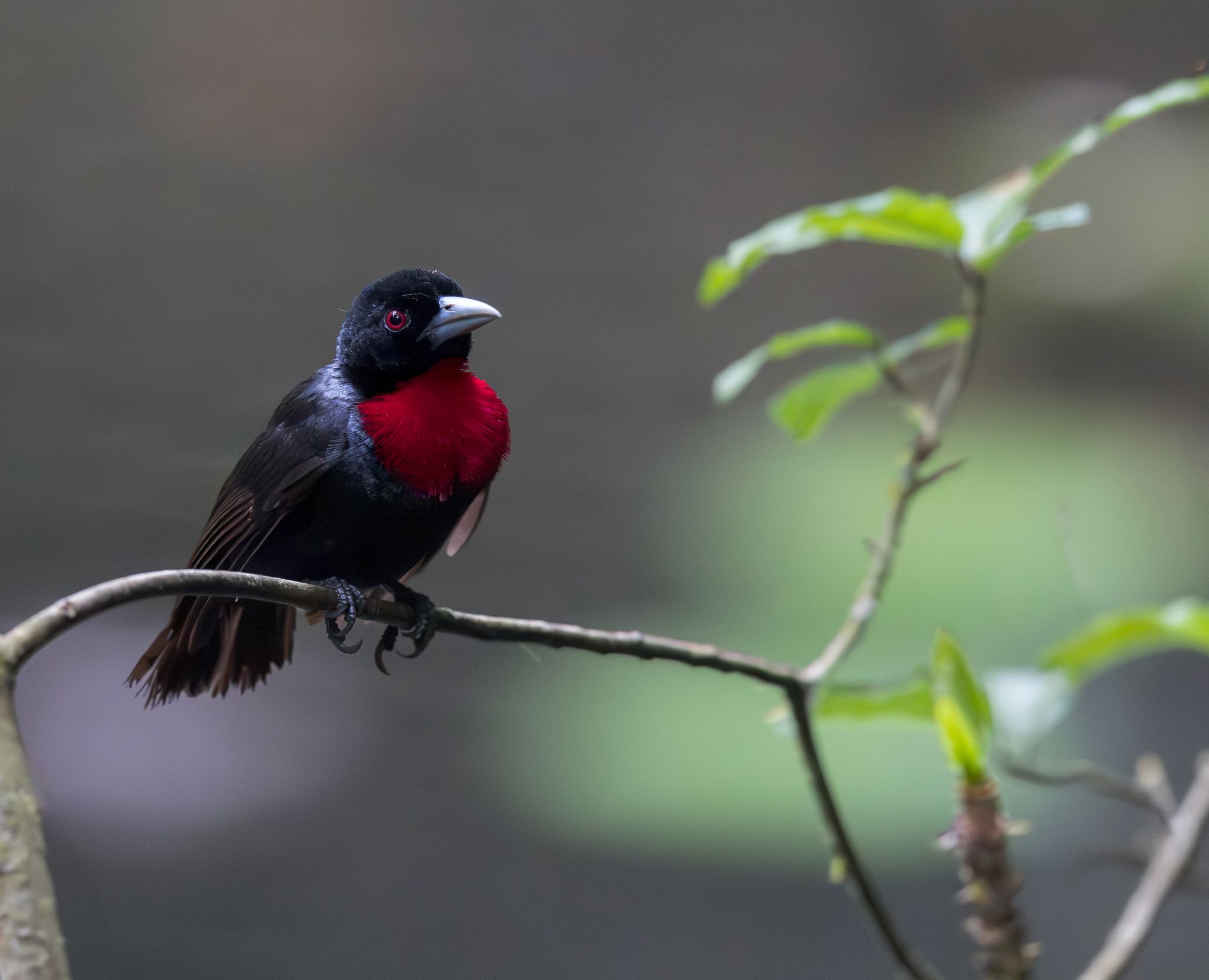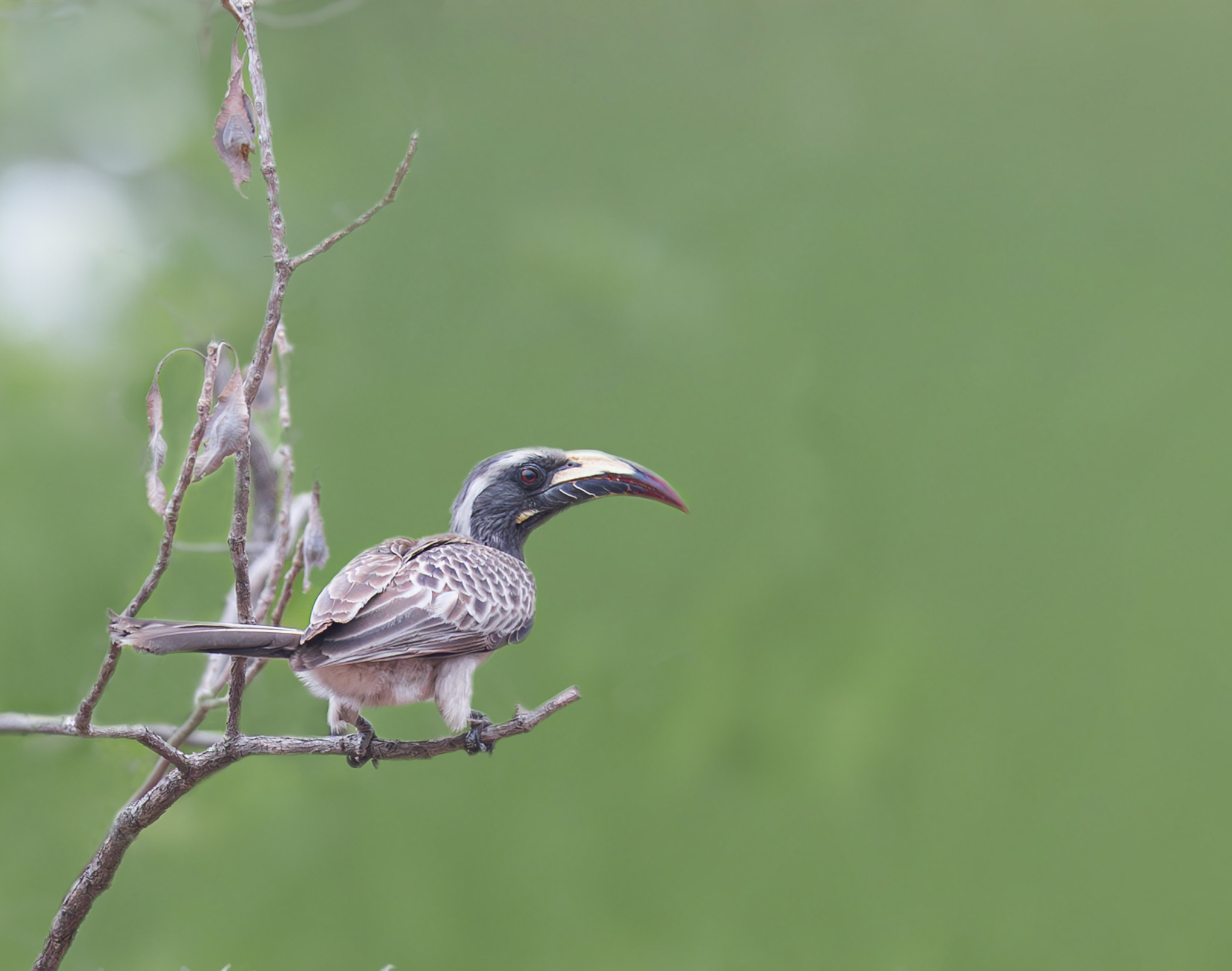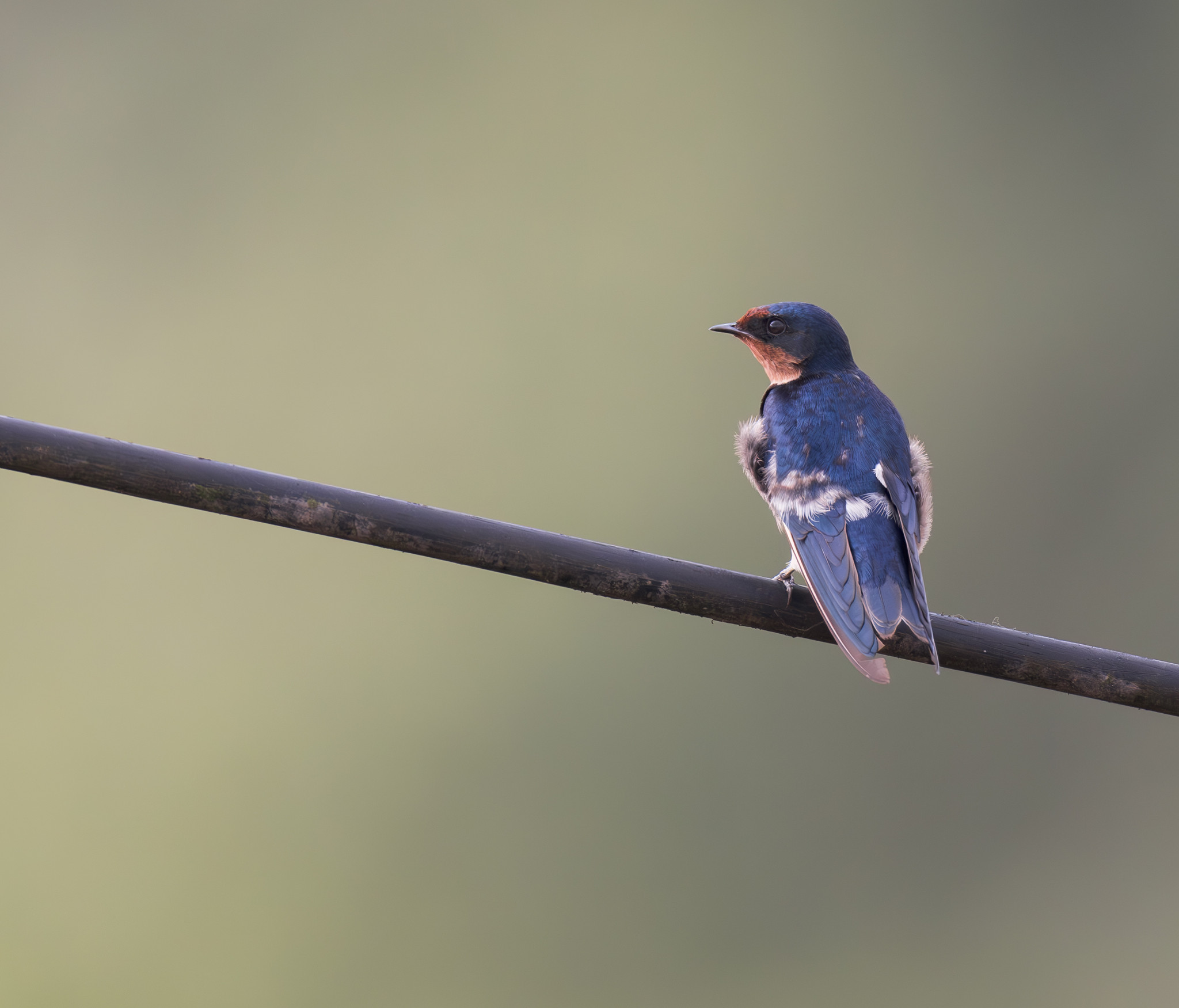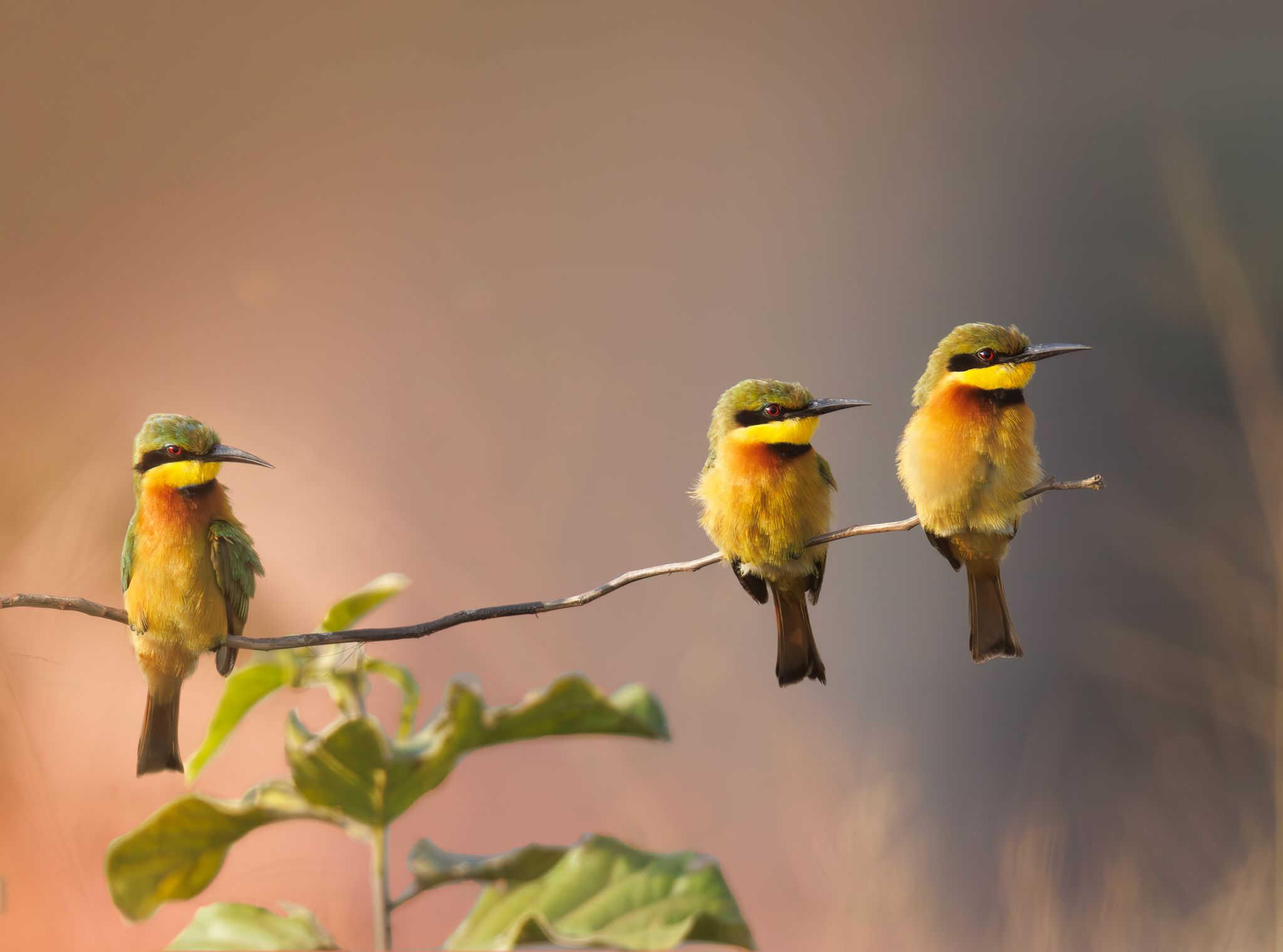
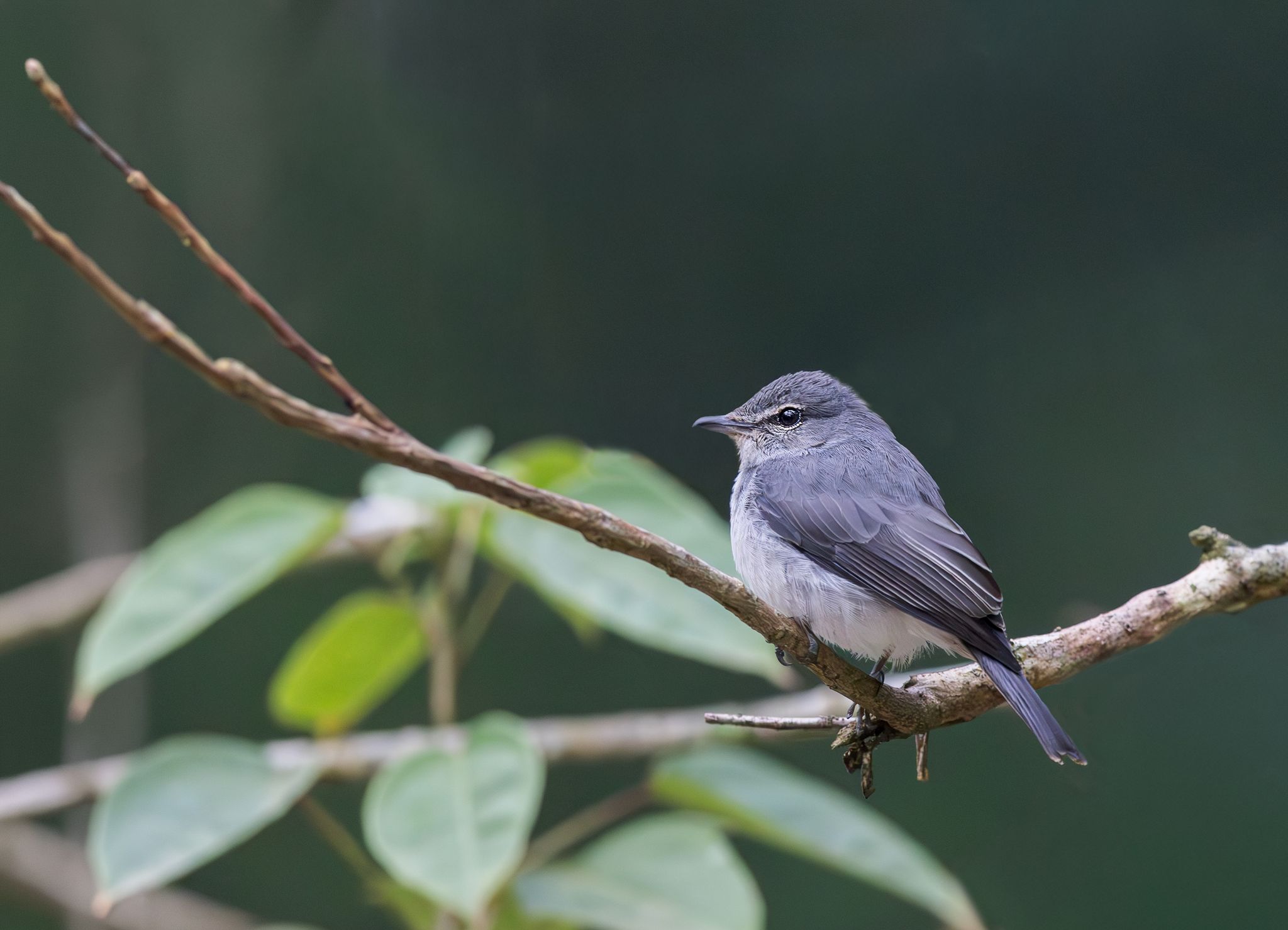
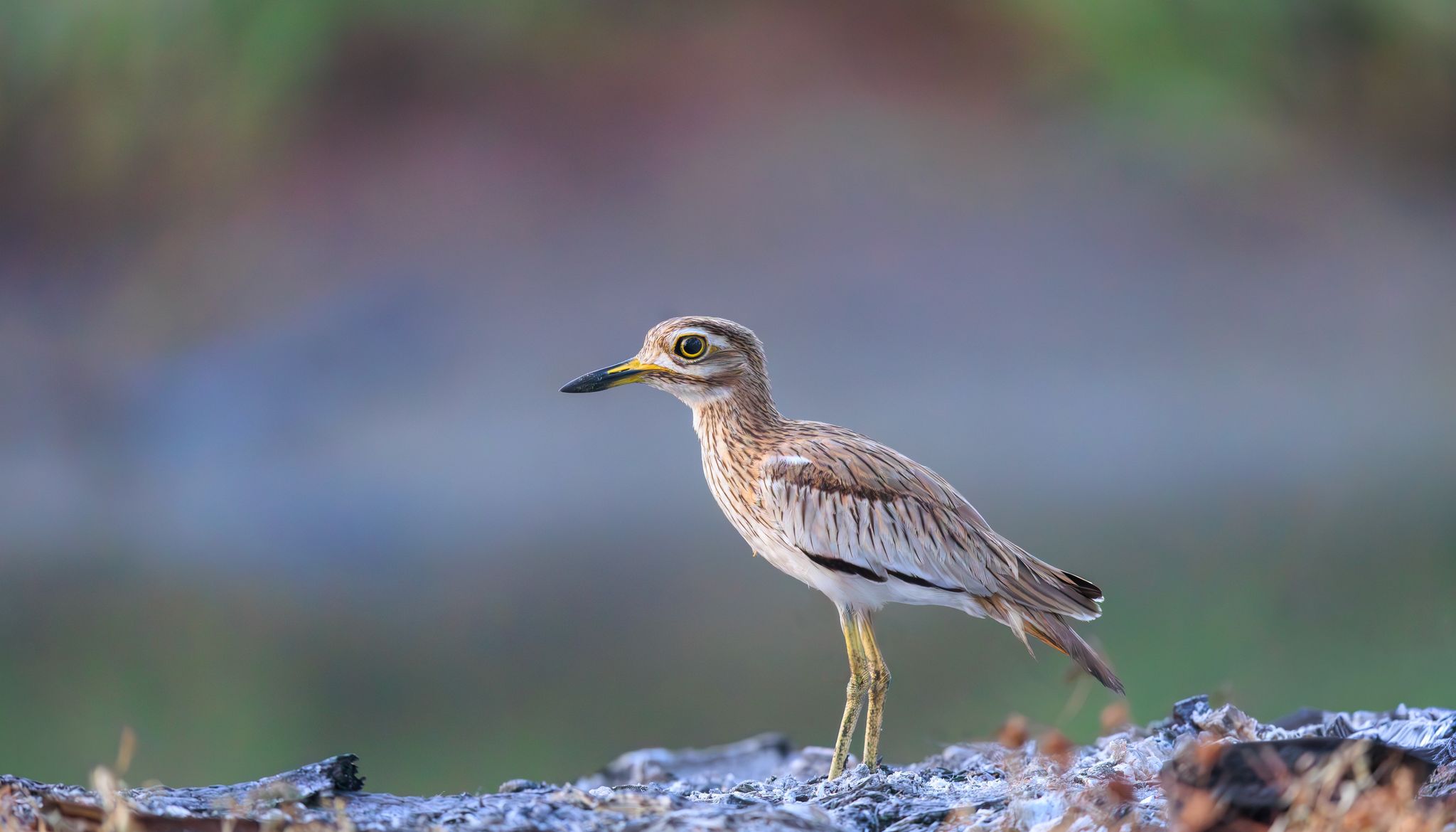
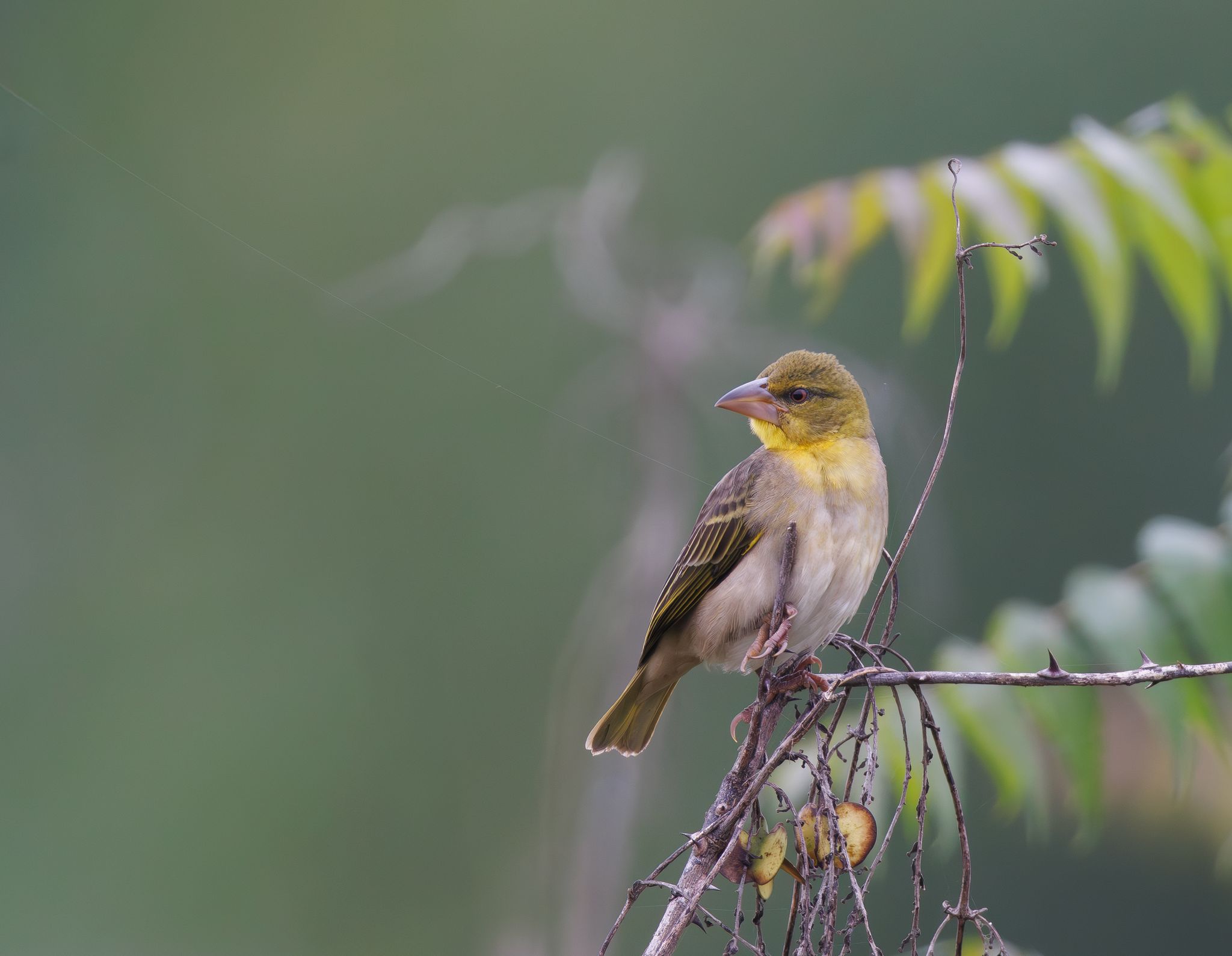
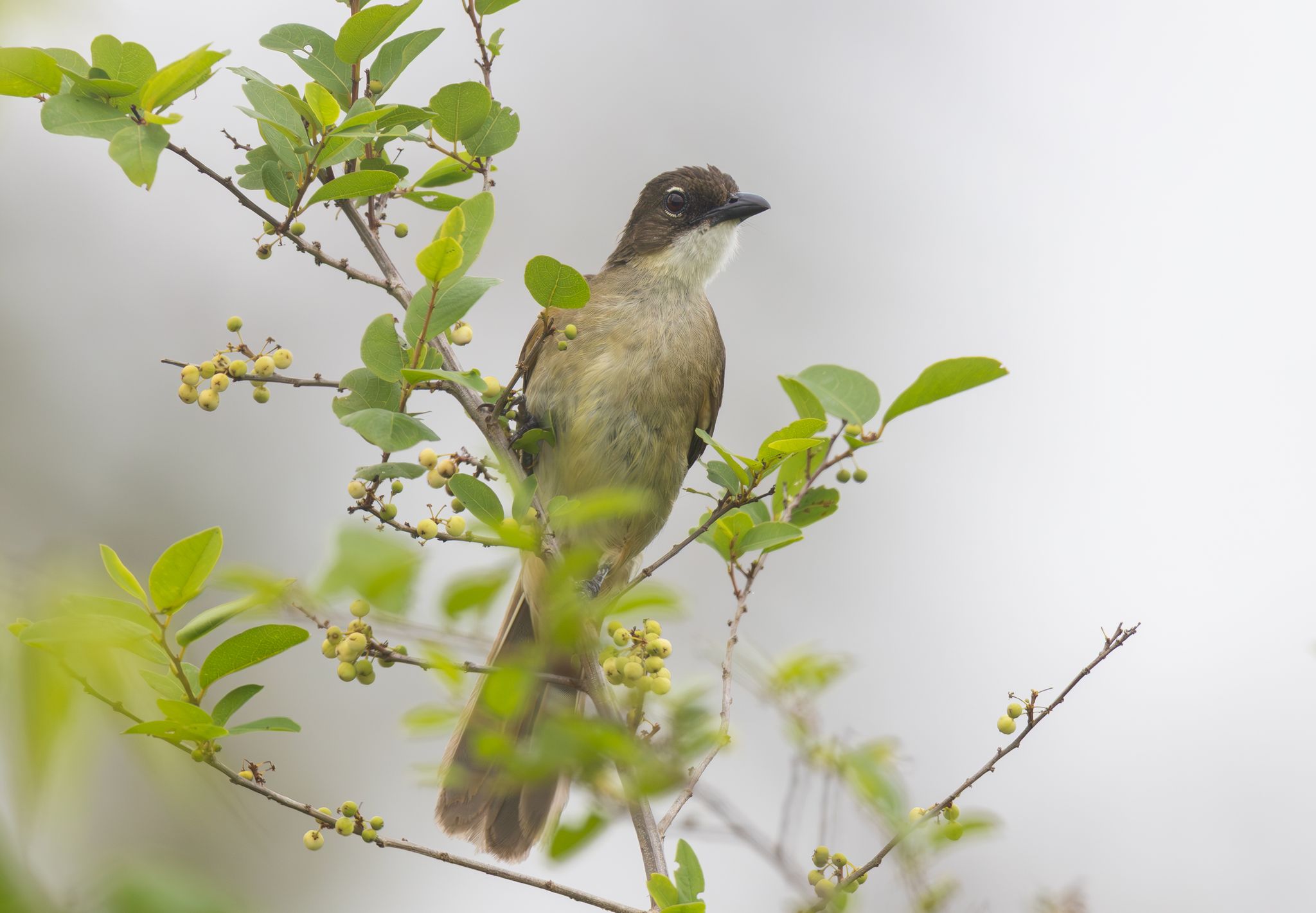
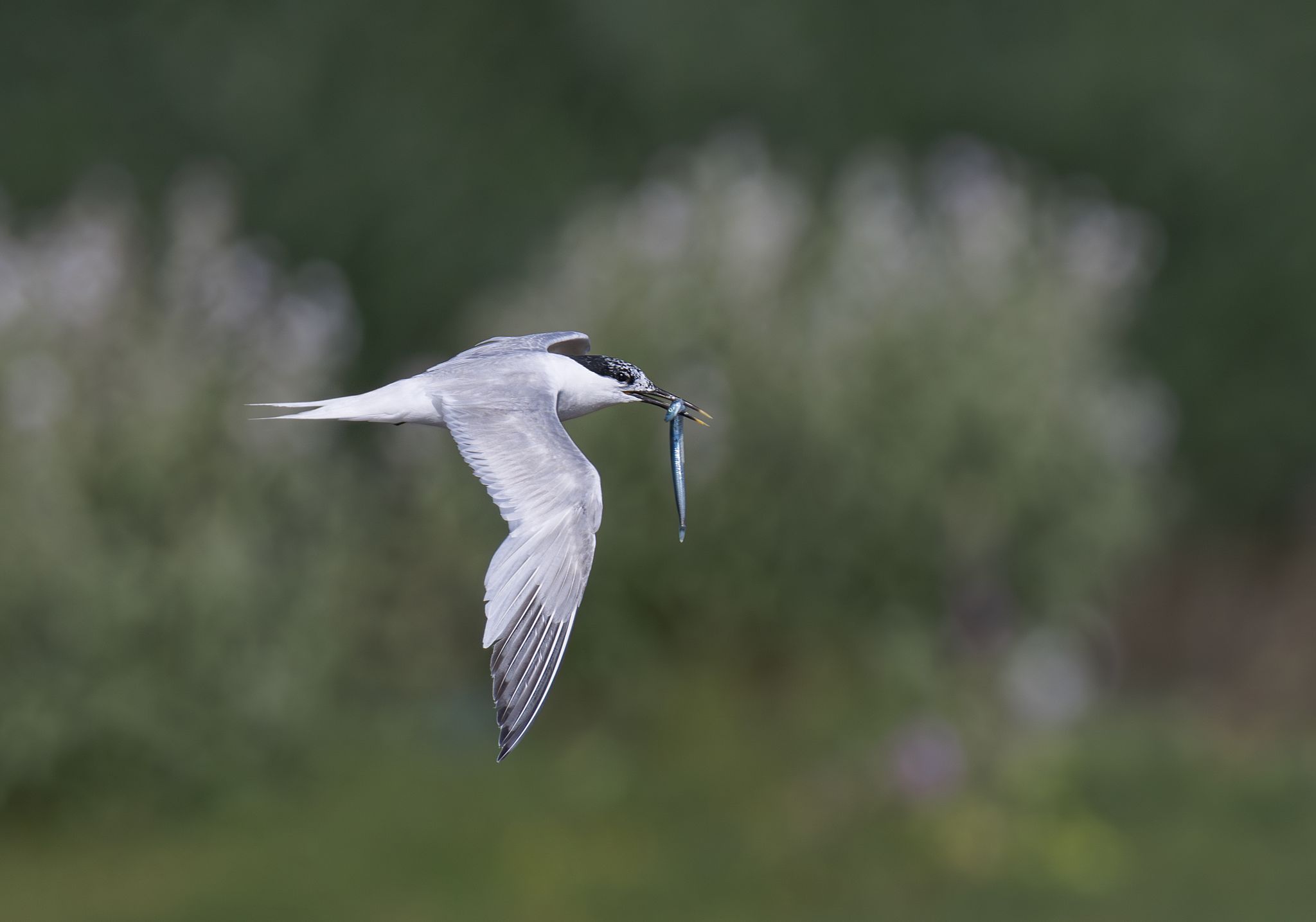
Golden morning light breaking over the Ghanaian forest canopy, mist rising from the valley below

Ghana · November 2026 · 13 Days

A Symphony of Wings
and Light.

Six iconic birds but there's more - ancient rainforest, The extraordinary light of West Africa.

Duration13 days
Dates1–13 November 2026
Group sizeMax 6 photographers
DifficultyModerate
EquipmentMirrorless / SLR, 400–600mm
Enquire About This Tour

Ghana in November is a place transformed. The rains have softened the forest floor, the rivers are full and clear, and the birds are exactly where they should be. Which is precisely why we go then.

This is not a tick-list tour. It is eleven days spent learning to see: reading the forest light, understanding how raptors move through canopy gaps, positioning yourself at a riverbank rock before the sun arrives. We chase three of West Africa's most remarkable species, each requiring patience, technique, and a willingness to be surprised. Alongside them, Ghana delivers an extraordinary supporting cast of kingfishers, sunbirds, hornbills and weavers. The forest is never quiet, and the light is never ordinary.

Small group, maximum six photographers. Every site is chosen for its photographic potential, not just its bird list.

The Key Species

Six birds that demand everything you have as a photographer - and reward you accordingly.

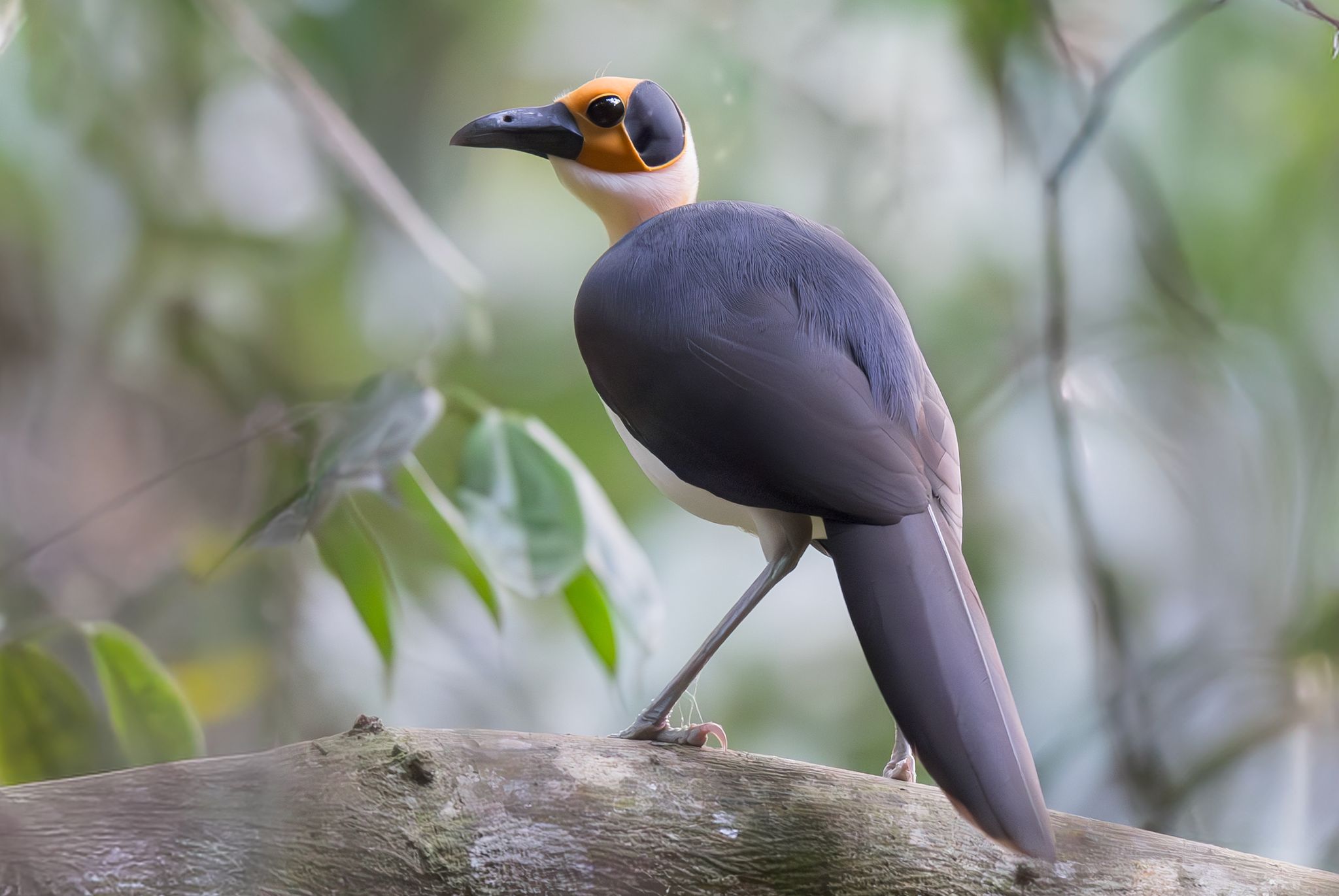
White-necked Rockfowl

Picathartes gymnocephalus

White-necked Rockfowl

One of Africa's most sought-after birds. Found only in ancient rainforest colonies across West Africa, this extraordinary species nests on sheer rock faces in the forest interior. We access a known colony site at dawn - the light, the silence, the birds dropping in from the canopy above.
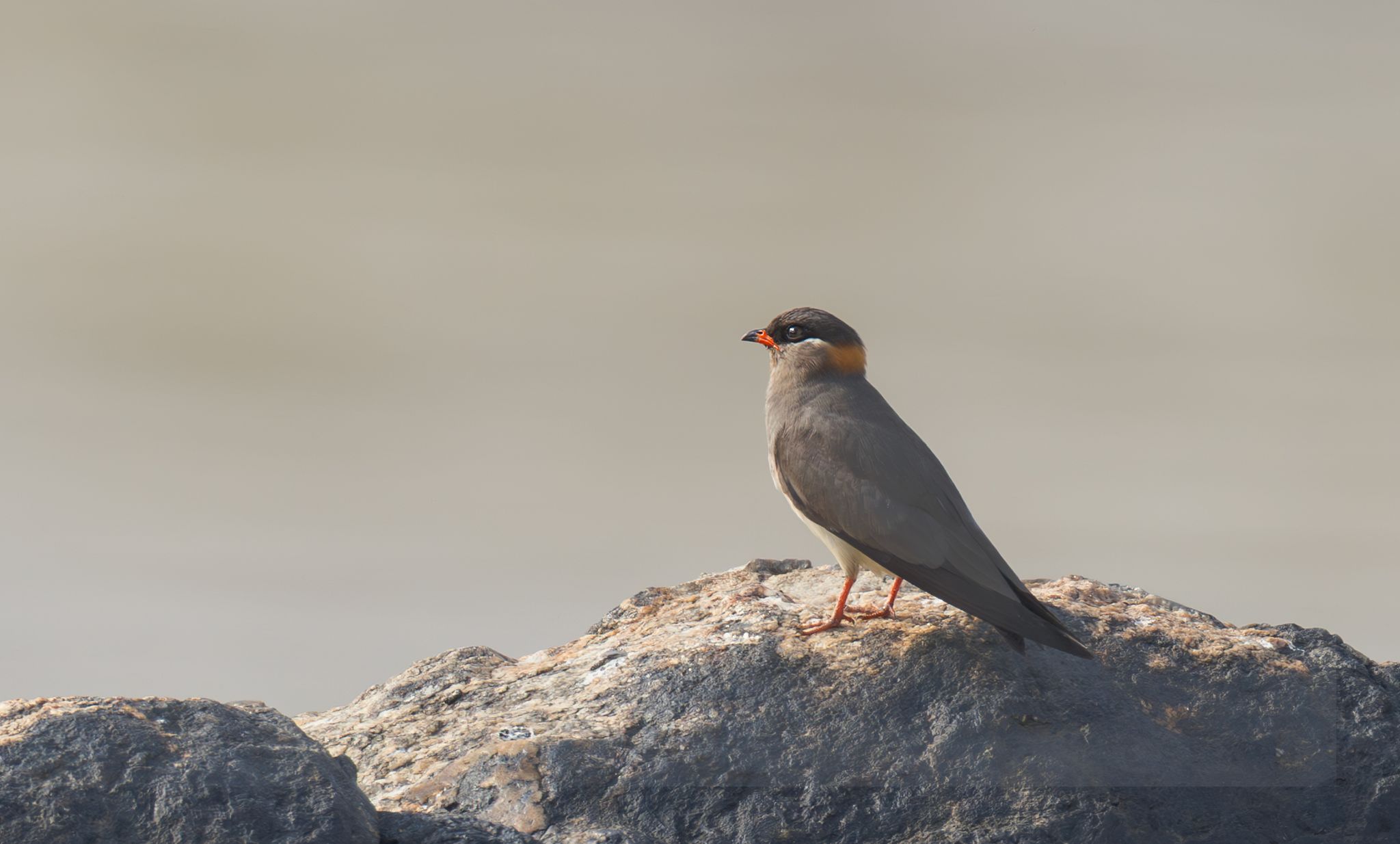
Rock Pratincole

Glareola nuchalis

Rock Pratincole

A bird built for fast water and exposed rock. The Rock Pratincole nests on mid-river boulders along the Volta, performing dramatic aerial displays over the current. Morning light on the river turns the scene into something painterly. Bring a fast shutter speed.

Bateleur

Terathopius ecaudatus

Bateleur

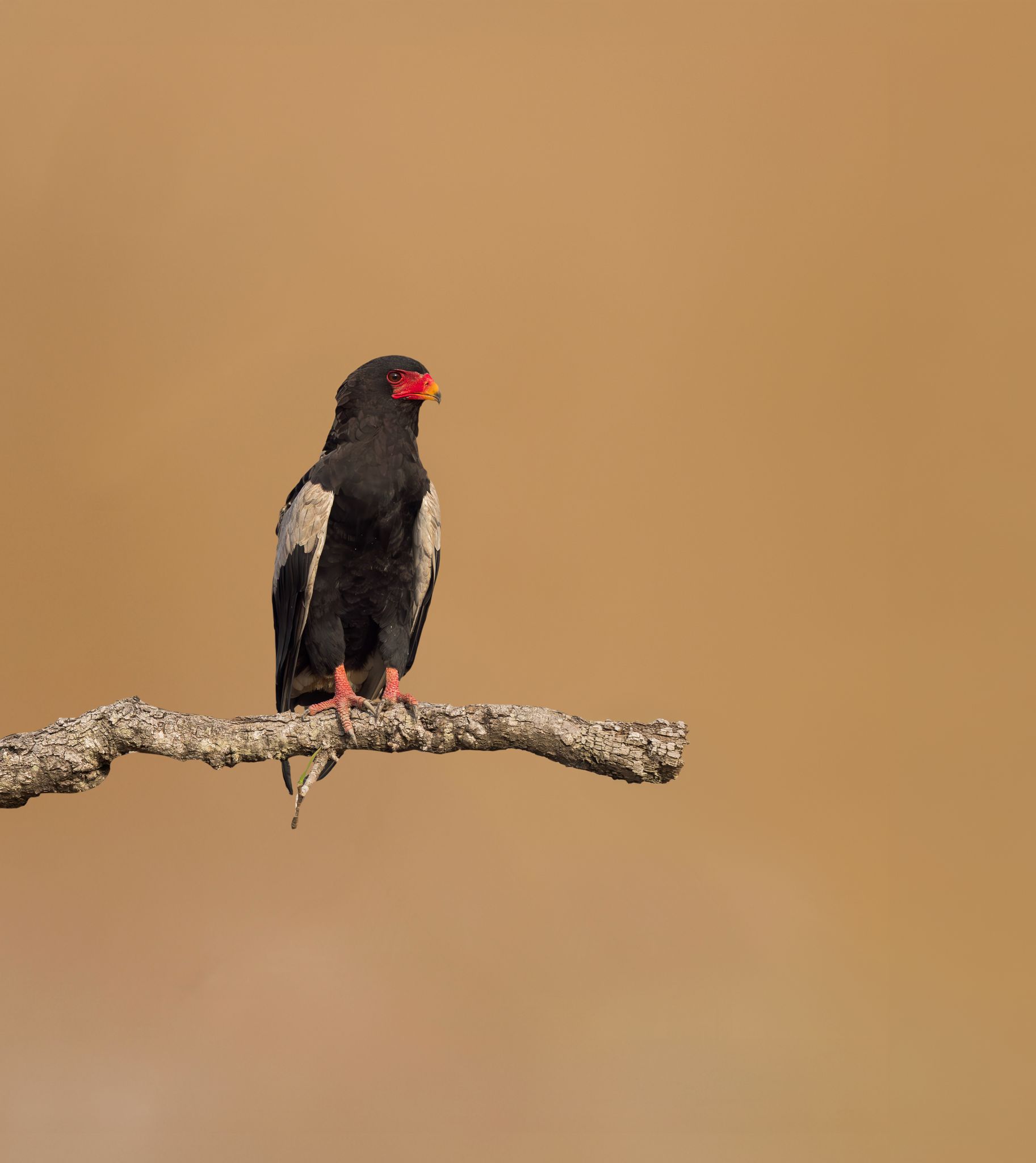
One of Africa's most visually arresting raptors, the Bateleur commands the sky with its almost tailless silhouette and vivid scarlet face. Its name is French for street performer - a nod to the way it rocks and tilts dramatically as it soars. We encounter it hunting open woodland and savanna edges, where the light catches its bold black, white, and chestnut plumage in a way that makes every frame feel earned.

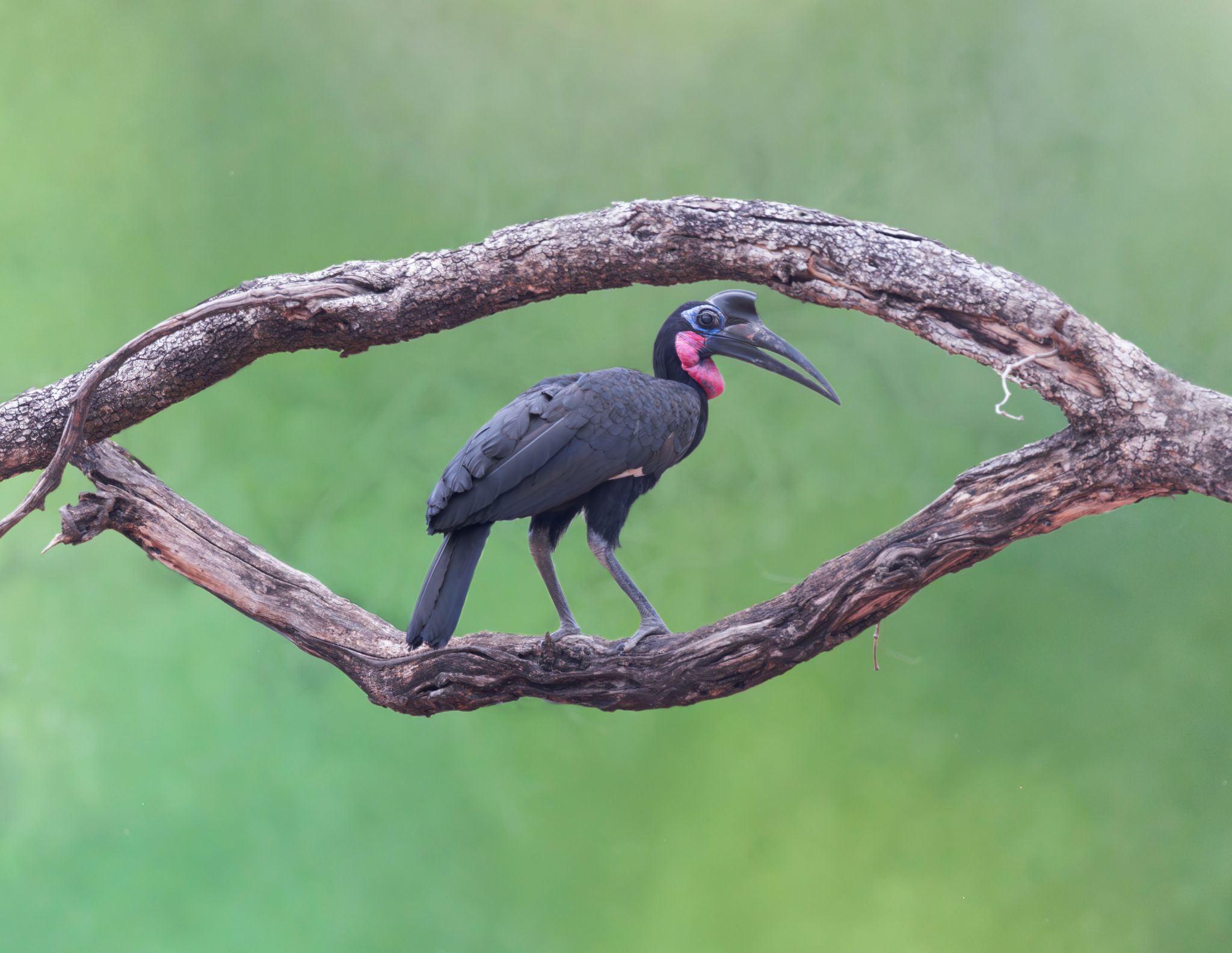
Abyssinian Ground Hornbill

Bucorvus abyssinicus

Abyssinian Ground Hornbill

Few birds command a scene the way the Abyssinian Ground Hornbill does. Striding slowly through open savanna in small family groups, it carries itself with a weight and presence that stops you mid-breath. That bare blue and red facial skin, the heavy casqued bill, the deep resonant boom that rolls across the landscape at dawn. This is a bird that photographs like a portrait subject. We look for it in the open country sections of the tour, where the morning light is low and golden and the birds are most active.

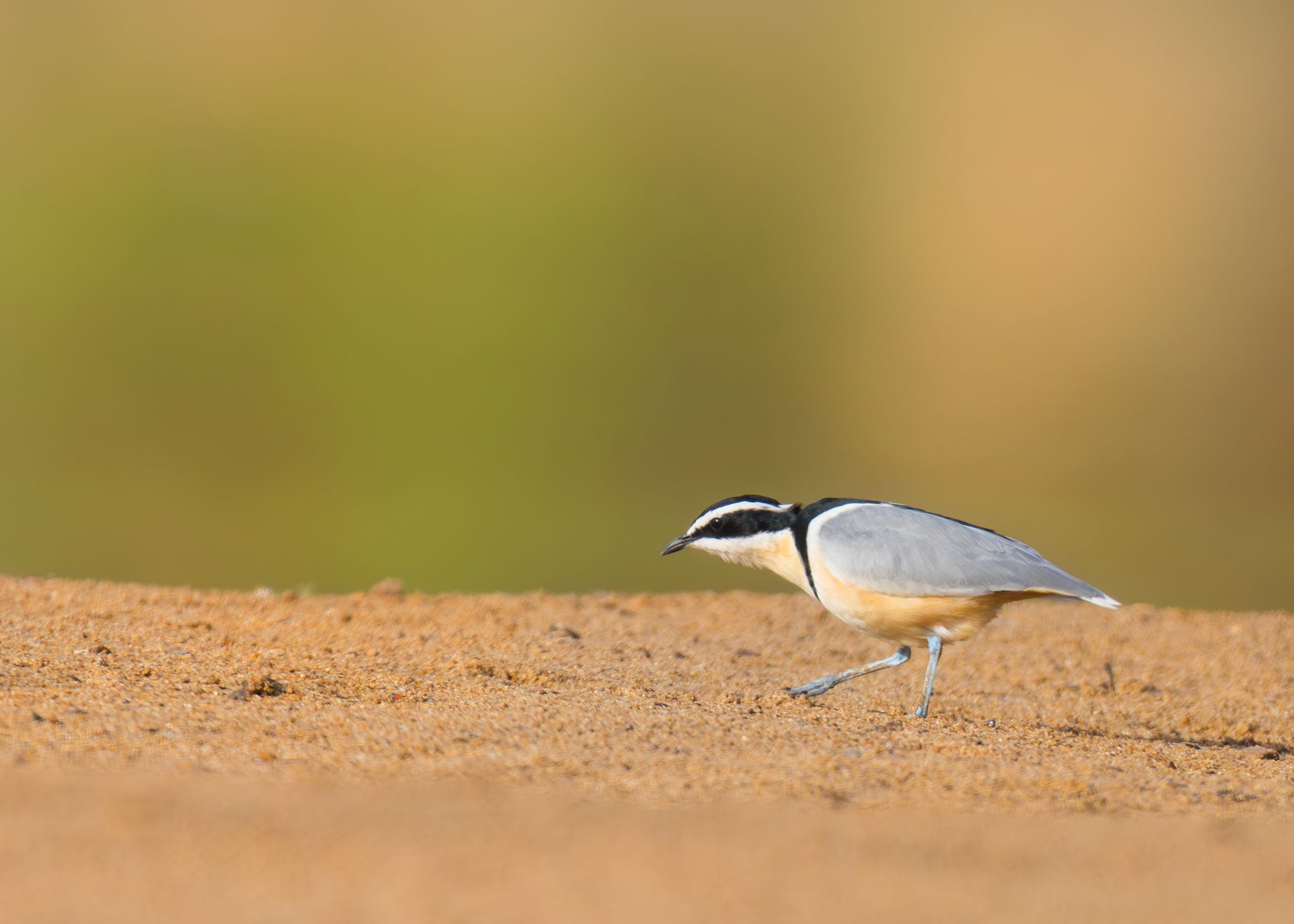
Egyptian Plover

Pluvianus aegyptius

Egyptian Plover

One of the most elegant and improbably marked birds in Africa, the Egyptian Plover (also known as the Crocodile Bird) haunts sandy riverbanks and exposed sandbars along the Volta. Its bold graphic plumage of grey, black, white, and apricot makes it a gift for the camera when the angle is right. We find it in the early morning when the light is raking and low, and the birds are feeding along the water's edge. Calm, approachable, and utterly striking; it is one of the quiet highlights of the tour.

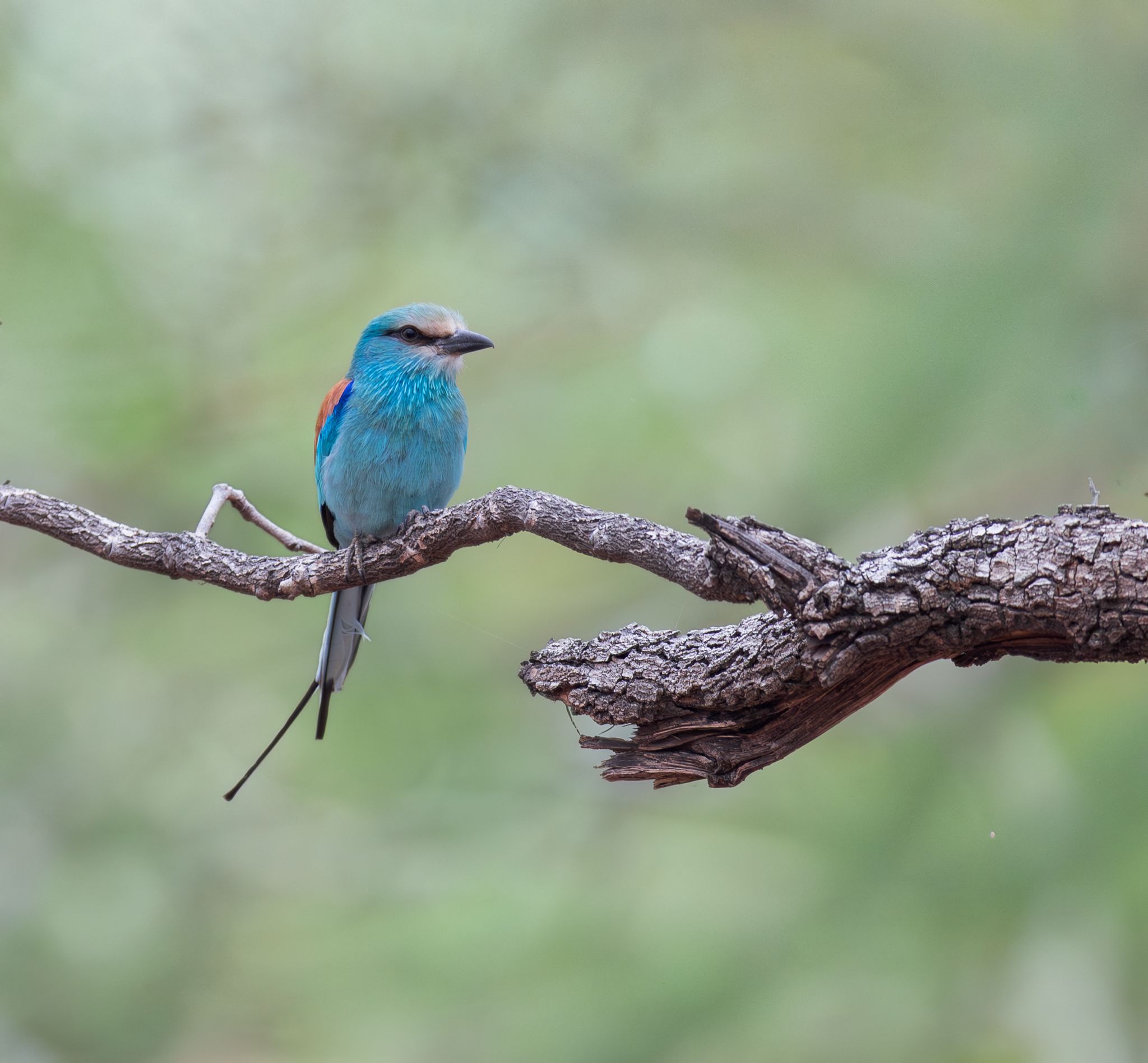
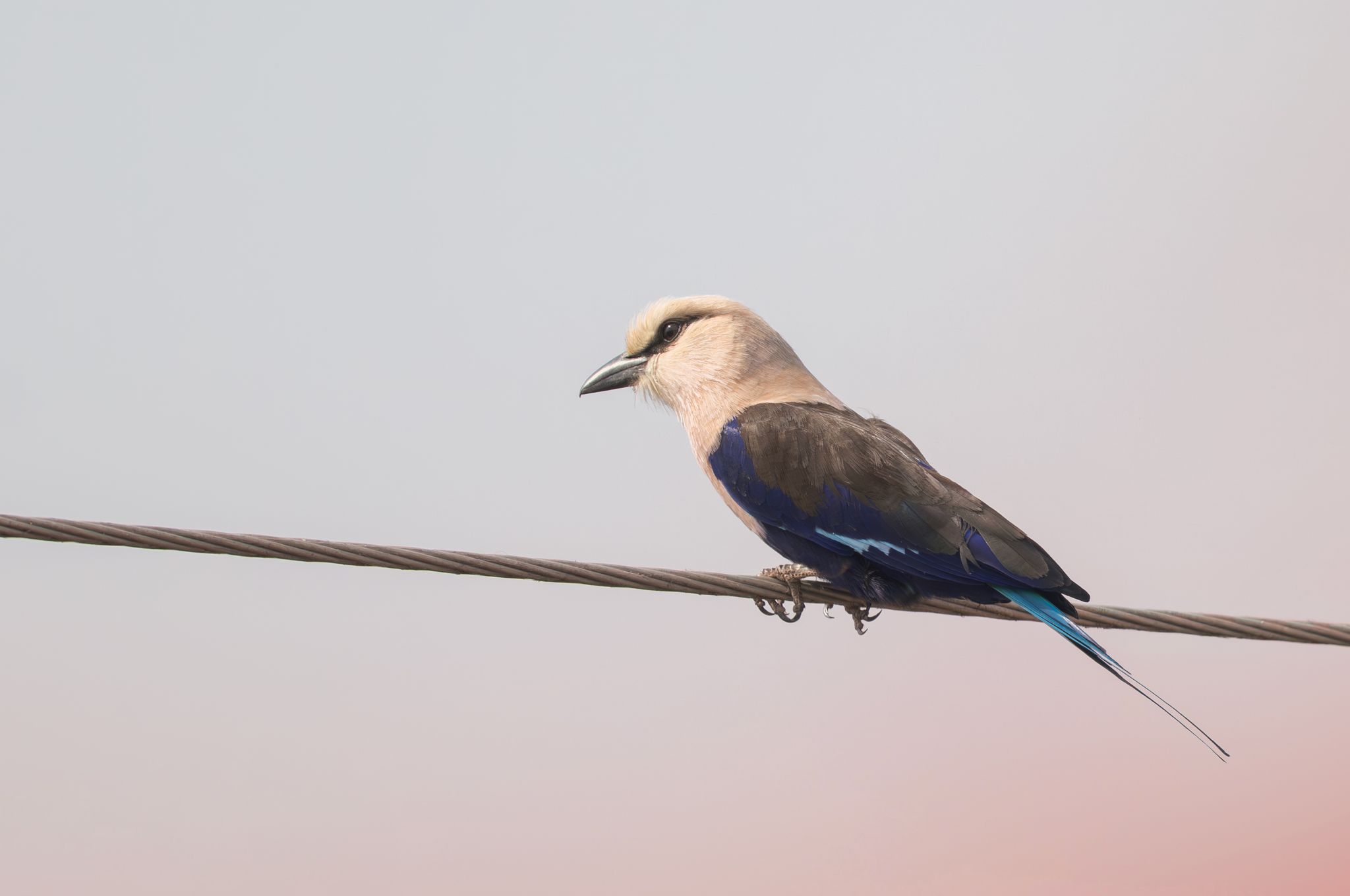
Lilac-breasted Roller

Coracias caudatus

Lilac-breasted Roller

If there is a more photogenic bird in Africa, we have yet to find it. The Lilac-breasted Roller sits in full view on dead branches, fence posts, and telegraph wires, entirely unconcerned with the camera pointed at it. That combination of turquoise, lilac, chestnut, and cobalt is almost unreasonably vivid, and in the right light it practically glows. We encounter it across the open woodland sections of the tour, and it rarely disappoints.

Day by Day

Every day is built around the light. We are in position before it arrives and we leave after it fades.

Days 1–2

Arrival & Accra

You land into warm West African air. After settling in, we take an evening walk around Labadi, where weavers argue noisily in the palms and the light turns everything amber. We brief over dinner - lenses, hides, and what to expect in the days ahead.

Morning light filtering through the rainforest canopy in southern Ghana
Days 2–3

Winneba Lagoon & Winneba Plains

We head west to Winneba, where a broad coastal lagoon opens out to mudflats and reed-fringed shallows - one of Ghana's most productive wader grounds, especially in November when Palearctic migrants are moving through in numbers. Whimbrel, Ruff, Little Stint, Curlew Sandpiper, and Greenshank work the water's edge alongside resident Spur-winged Plovers and African Jacanas. The light here is wide and unobstructed with some amazing sunsets that saturates colour at dawn. We will work the lagoon edge the mudflats, the reed margins, and be prepared to spot a raptor or two.

A raptor perched against a clear African sky, wings half-spread
Days 4–5

Kakum National Park & Stingless Bee Center

Kakum's canopy walkway puts you level with the treetops - an extraordinary vantage point for forest species at eye level. The final morning is yours: return to a favourite site, spend time in a hide, or work the forest edge for whatever the light offers. No agenda. Just you, the forest, and whatever arrives.

Kakum National Park & Stingless Bee Center
Days 6-7

Nyamebe Bepo Reserve / Pra River - Rock Pratincole & Picathartes

Two days, two entirely different forest experiences. The Pra River brings you to one of Ghana's finest Rock Pratincole sites - compact, fast-moving birds that nest on exposed mid-river rocks, performing low aerobatic runs over the current in the early morning light. We work from the bank as the sun comes up, the river glittering behind them. Then the hike into Nyamebe Bepo - a forest reserve with a known Picathartes colony deep in the interior. The approach is on foot, through dense understorey, arriving at the colony walls before the birds do. You wait in silence. When the White-necked Rockfowl drops in from the canopy above, nothing else matters.

Nyamebe Bepo Reserve / Pra River - Rock Pratincole & Picathartes
Day 8

The Road North

A travel day, but not a wasted one. The drive from the forest belt into northern Ghana passes through a shifting landscape — the trees thinning, the sky opening, the light taking on a different quality as the savanna begins. We stop where it is worth stopping. By evening we are in Mole, the air drier, the horizon wider, and tomorrow's birds already close.

A forest clearing lit from above — the perfect frame for a Picathartes
Days 9–10

Mole National Park - Bateleur

We move into open woodland and savanna edges in search of the Bateleur - one of Africa's most theatrical raptors. It patrols vast territories at speed, tilting and rocking as it scans the ground below. The challenge is anticipating where it will appear and having the light behind you when it does. When it works, the combination of scarlet face, bold plumage, and open sky makes for images that stop people mid-scroll.

Wide open sky over Ghanaian woodland, storm light approaching
Days 11–12

White Volta - Egyptian Plover

The White Volta in November is one of those places that rewards patience with something close to perfection. The river runs low, exposing the sandy banks and midstream bars where Egyptian Plovers gather - one of the most geometrically striking birds in Africa, its bold patterning almost too precise to believe. We position low along the bank in the early morning before the heat builds, working the birds as they feed and bathe at the water's edge. The flat, open light of the river corridor means clean backgrounds and long windows. Two days here rarely feel like enough.

Close-up details of rock and water habitat, Volta region
Day 13

Departure

A final breakfast, last images reviewed over coffee, and then Accra for your homeward flight. You leave with something that doesn't fit in a bag - the specific quality of West African forest light in November, and the photographs that prove you were there.

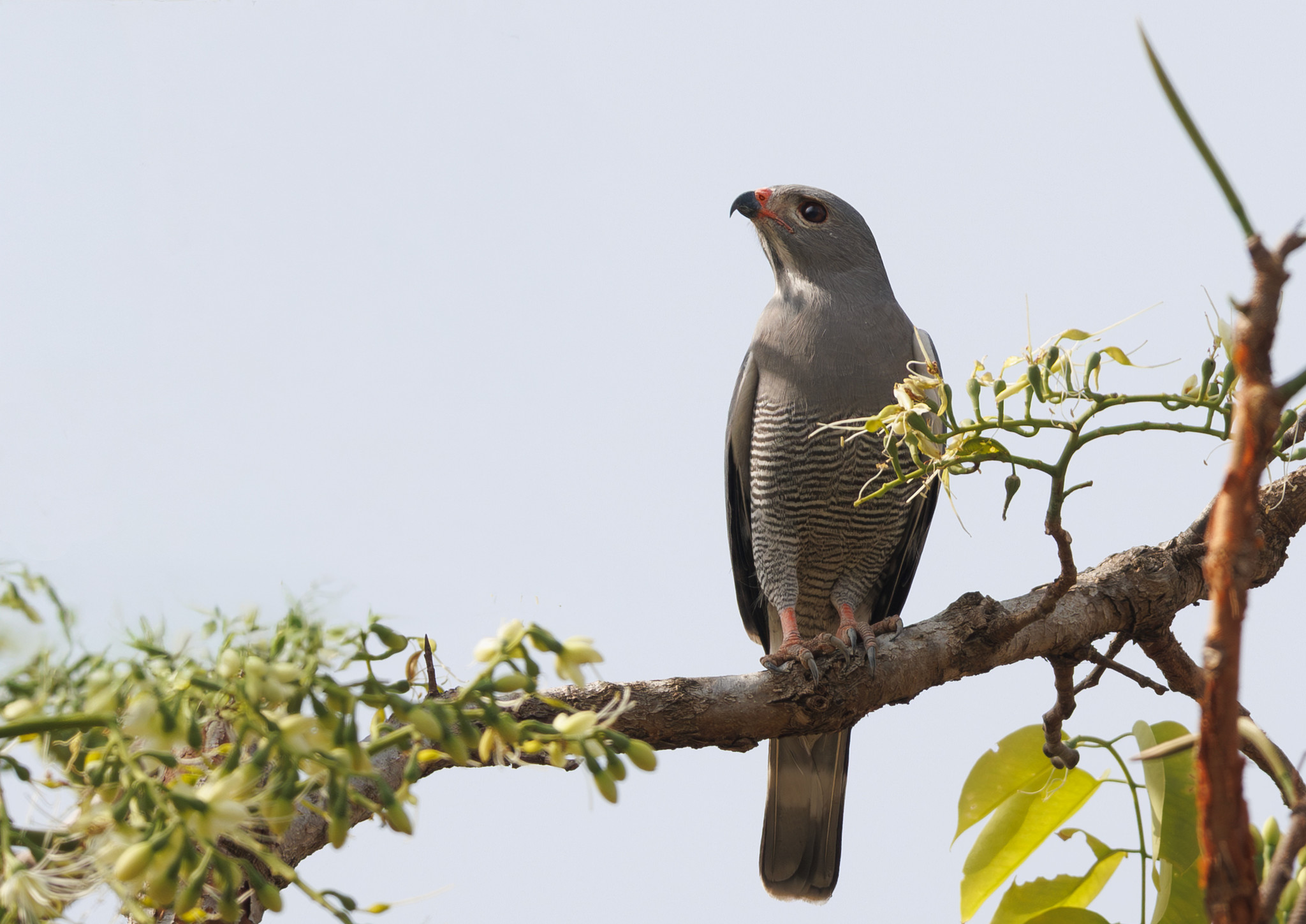
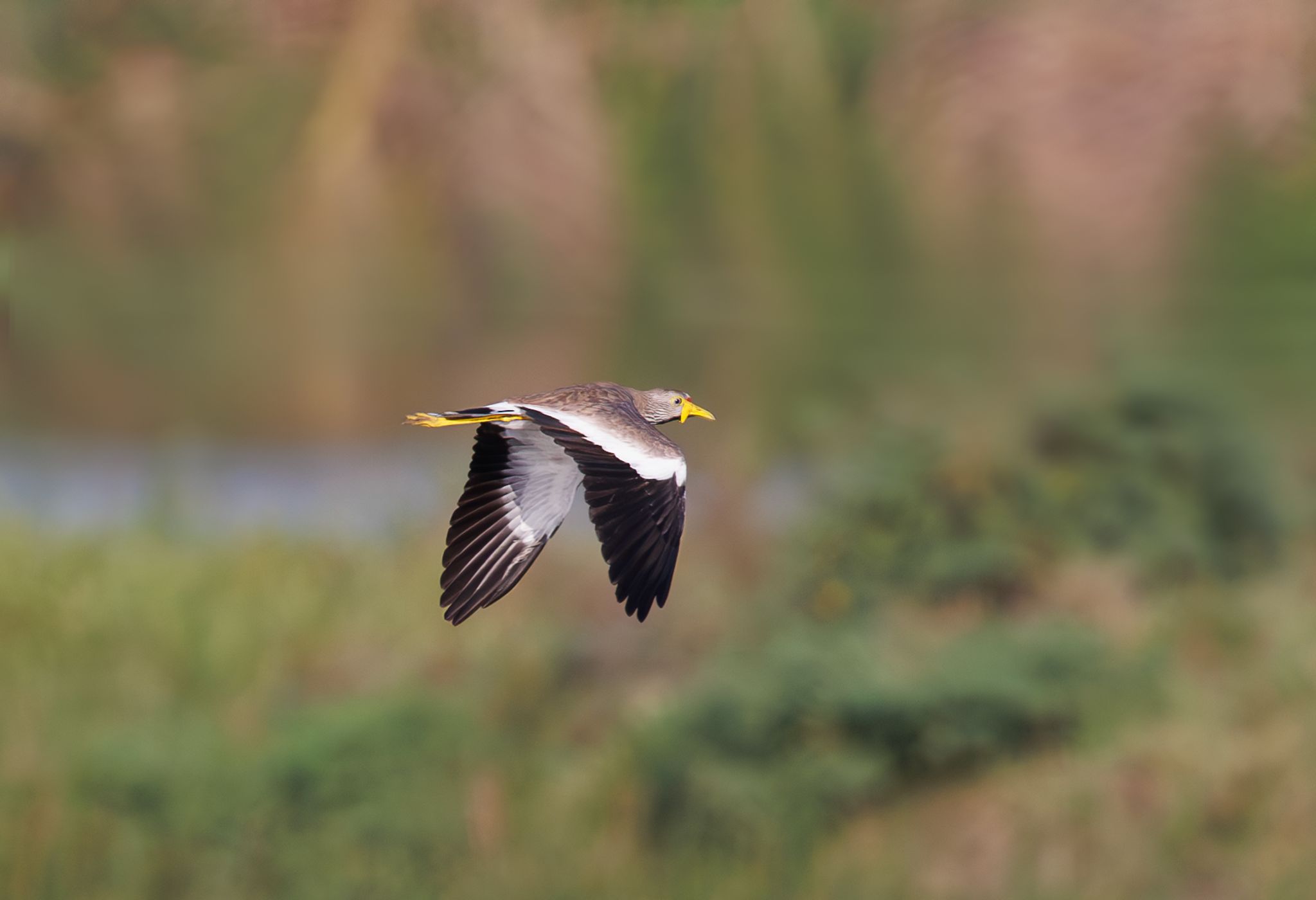
Long-tailed Hawk hunting over open country in soft afternoon light

From the Field

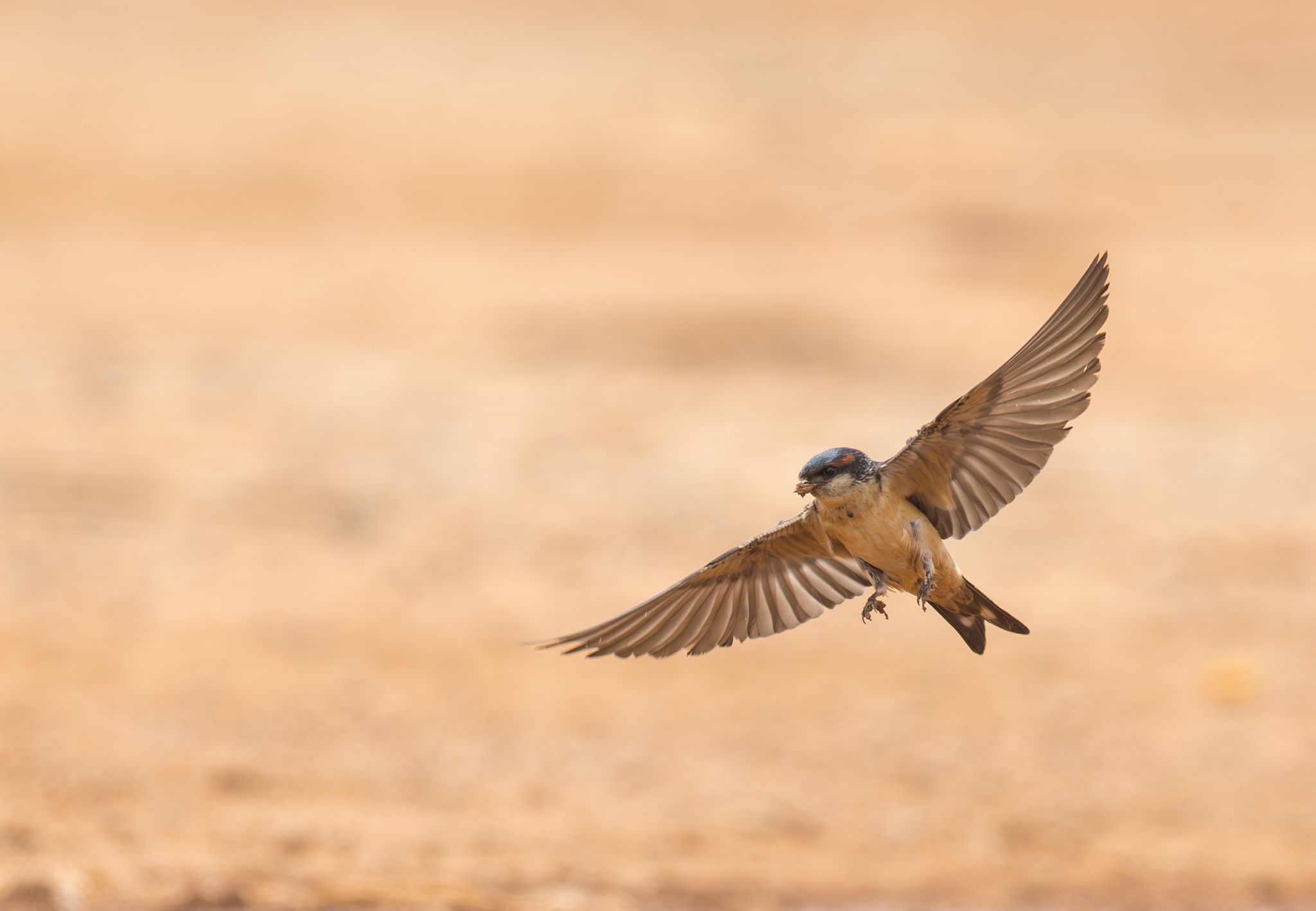
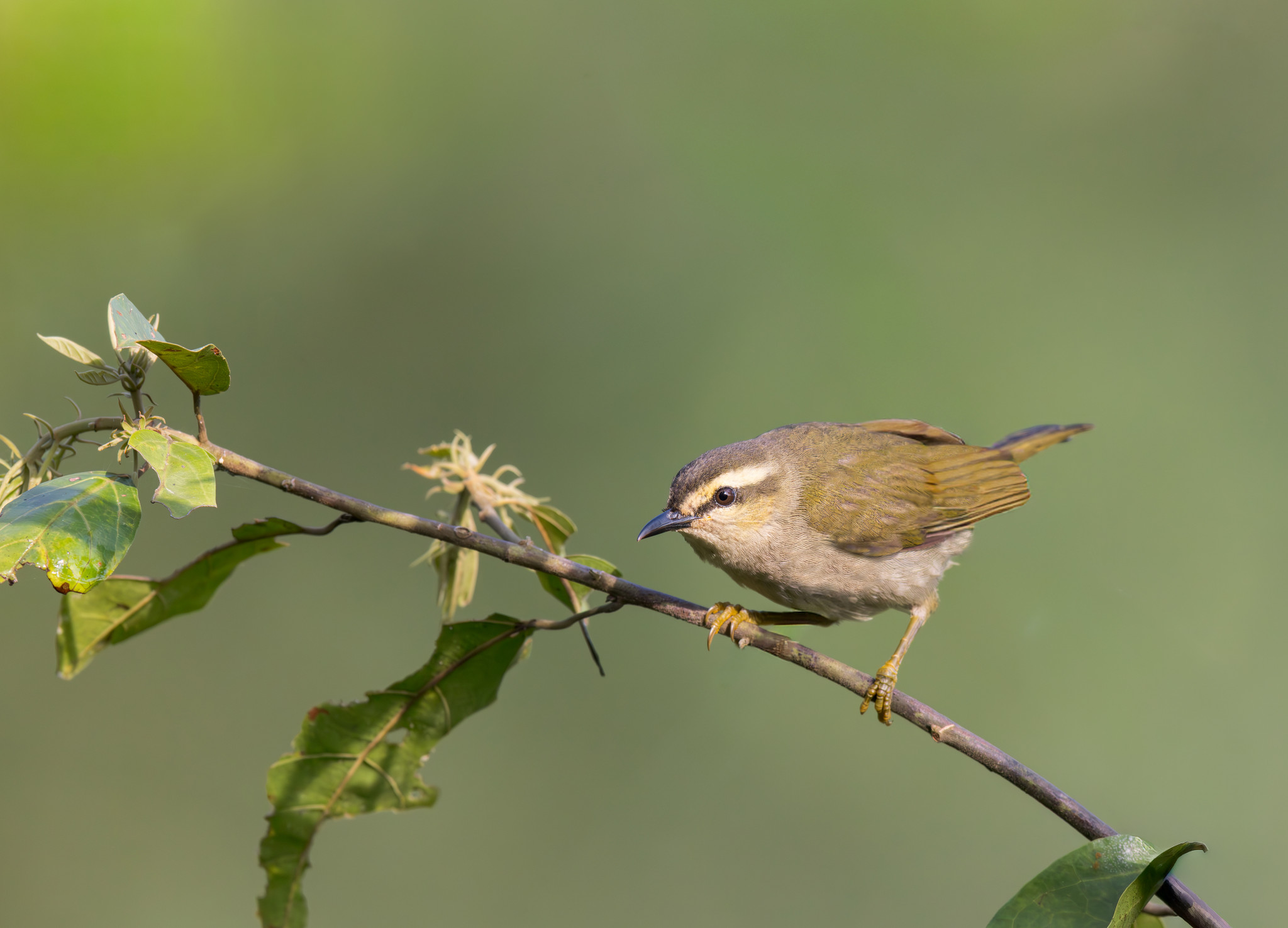
Images made in the habitats you will visit.

What's Included

Included

  • All accommodation (12 nights, twin-share)
  • All meals from Day 1 dinner to Day 13 breakfast
  • All in-country transport
  • All park and reserve entry fees
  • Hide access at Picathartes colony
  • Daily field debrief and image review sessions

Not Included

  • International flights to/from Accra
  • Travel insurance (required)
  • Visa fees (varies by nationality)
  • Alcohol and personal items
  • Gratuities for local staff

Ghana · November 2026

Places are limited to six photographers.

We fill on a first-come basis. If you are seriously considering this tour, the conversation is worth starting now.

Enquire Now